Clothing and fabric dyeing, fabric sourcing, and cut & sew—from one item to commercial production.

Taking In Clothing: Fit Tests, Seam Allowances and Limits
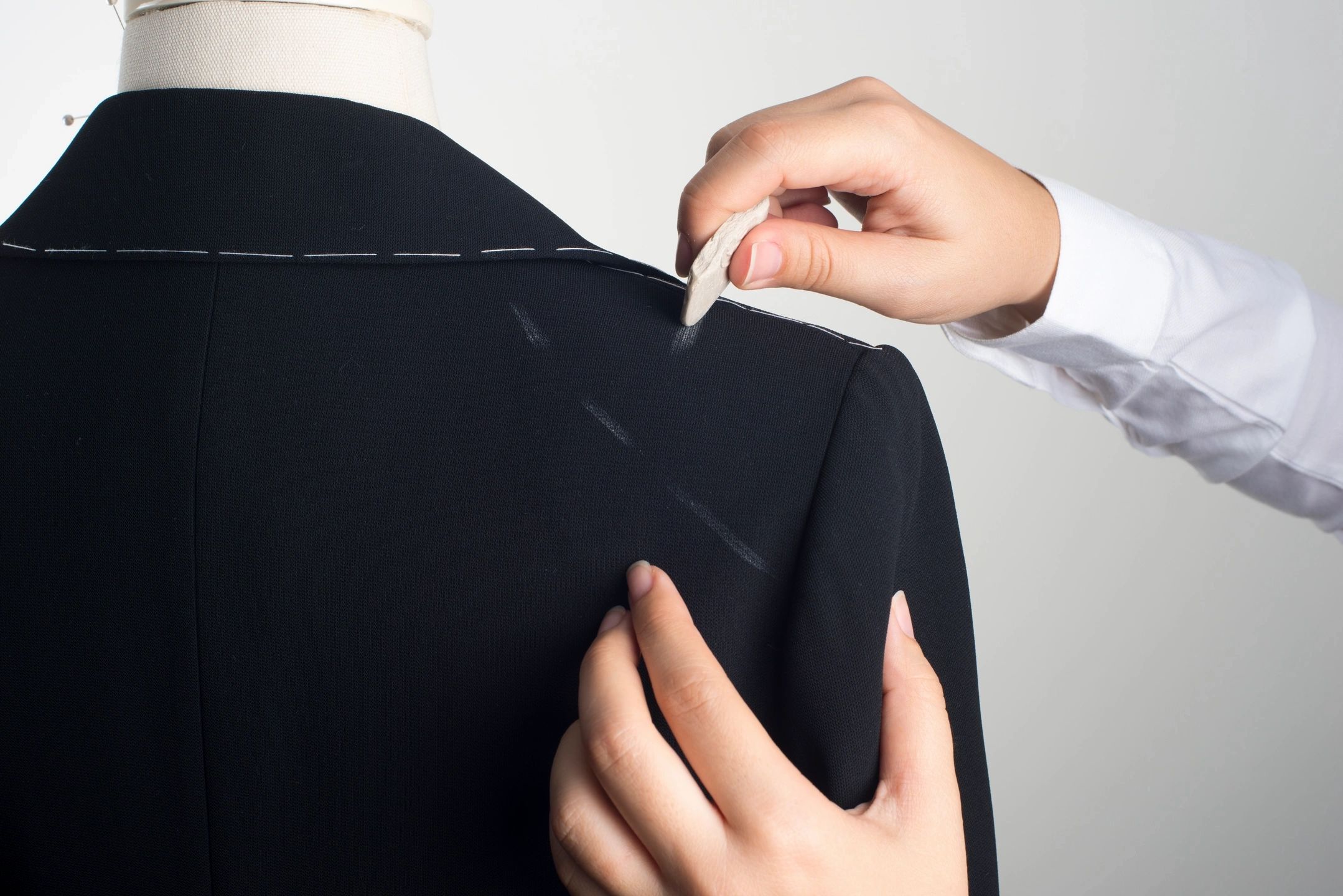
Assess the whole fit first Taking in a seam changes more than circumference. It can affect balance, movement, pockets, closures, sleeves and lining. Try the garment on and identify the specific problem before sewing. Mark a proposed change Measure and mark carefully, keeping enough ease for movement. Remove the garment before sewing. Baste or use … Read more


Gum and Glue on Clothing: Identify the Residue Before Treatment

Different sticky residues need different assessments Chewing gum, washable craft glue, cured adhesive and tape residue do not respond identically. Identify the substance and the textile before applying a cleaner. Check the labels Read the garment’s care instructions. Find the adhesive maker’s removal guidance where available. Check a remover’s fabric exclusions. Test as directed on … Read more

Makeup Stains on Fabric: Product-Specific Treatment

Identify the makeup and textile Foundation, lipstick, mascara and powder can contain different oils, waxes and pigments. The garment’s fiber, color, finish and care instructions determine what treatment it can tolerate. Remove loose material gently Where the textile permits, lift loose excess without rubbing it deeper into the surface. Do not smear powder or drag … Read more

Is Polyester Breathable? Construction and Comfort Matter

Polyester does not have one level of breathability Polyester is a fiber, not a weave. It can be made into open mesh, lightweight knits, dense woven fabrics and coated materials. Air movement through a garment depends strongly on construction, weight, layers and fit. Separate three different properties Air permeability concerns air moving through the fabric. … Read more