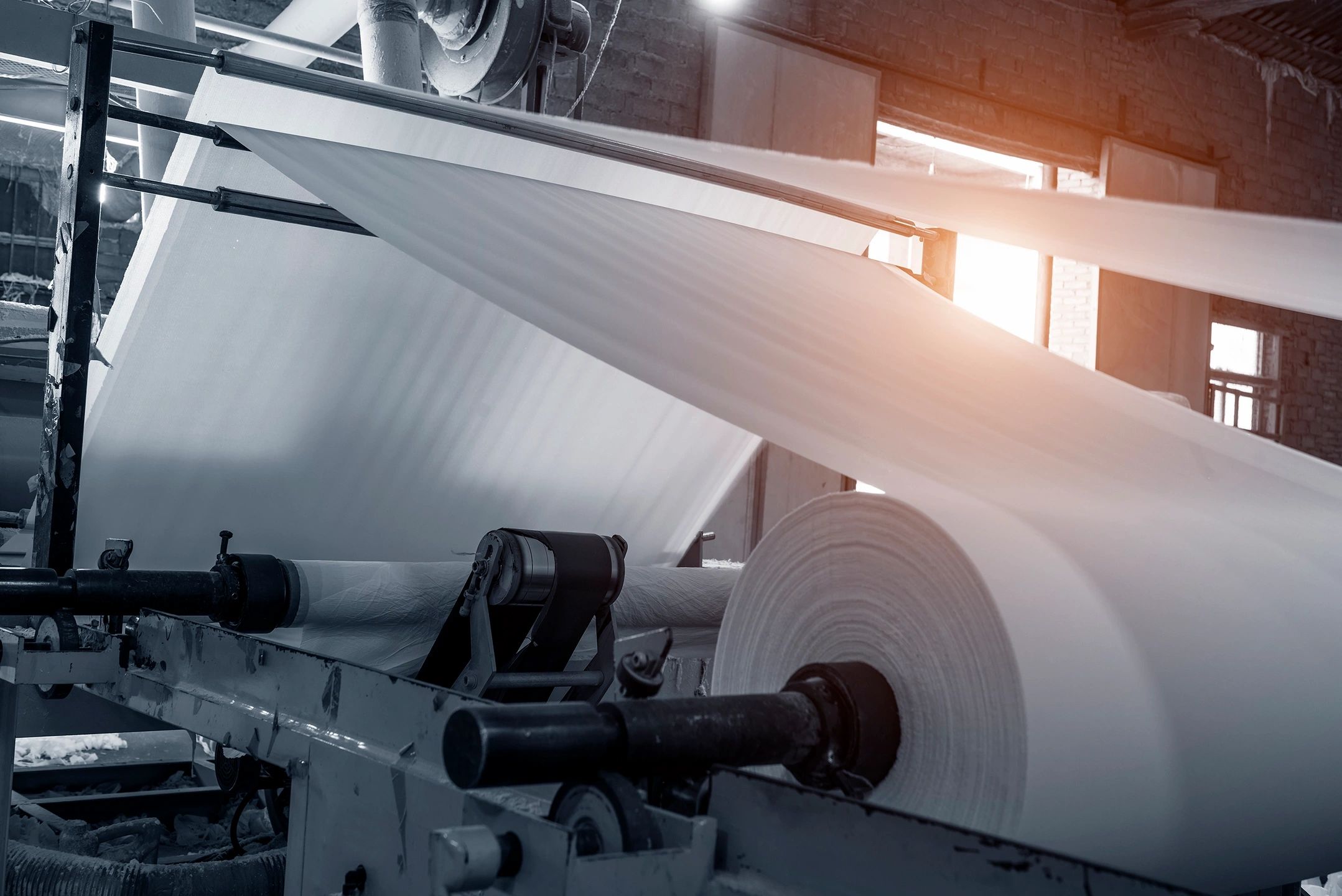
Fabric production follows several possible routes
Raw material becomes fiber, then a textile structure. Yarn-based fabrics often involve spinning followed by weaving or knitting. Nonwovens can be formed by bonding or entangling fibers without the same yarn route.
Fiber production
Natural fibers include cotton, flax, wool and silk. Manufactured fibers include regenerated cellulose such as viscose rayon and synthetic polymers such as polyester. The raw material and processing route determine the fiber category.
Yarn preparation
Staple fibers can be cleaned, aligned and spun into yarn. Continuous filaments follow different preparation routes and can also be combined or textured. Not every yarn is made by the same short-fiber spinning sequence.
Fabric construction
Weaving interlaces warp and weft yarns.
Knitting forms connected loops.
Nonwoven processes form structures through appropriate bonding or entanglement.
Plain, twill and satin are foundational woven structures. They do not identify the fiber.
Preparation, color and finish
Depending on the product, stages may include cleaning, bleaching, dyeing, printing and finishing. Color can be introduced at fiber, yarn, fabric or garment stages. Finishes may change hand feel, appearance or performance.
Why the route matters
Construction and finishing affect care, shrinkage and later dyeing. A finished textile may behave differently from untreated yardage of the same fiber.Explore our fabric dyeing directory and textile printing options for color services.
Planning a color change?
Request a professional dyeing assessment with photos, fiber labels, the current shade and target color. For a suitable home project, our supplies guide includes product limits and Amazon affiliate disclosures.