Military Textiles: Uniforms, Equipment and Tested Performance
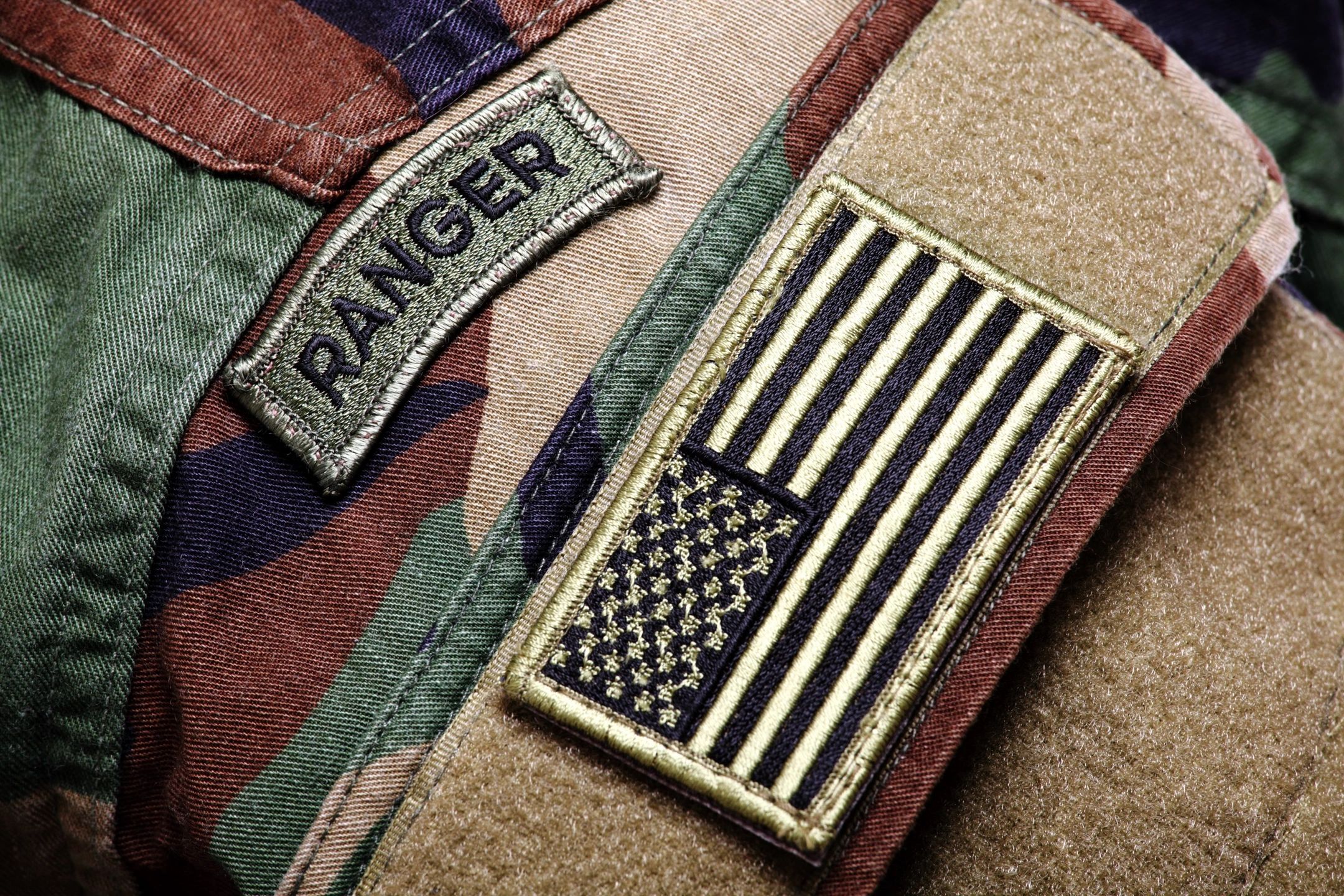
Textiles serve many military functions
Textiles serve many military functions

Plan for the activities and care available Choose garments that work together and suit the conditions you expect. Check whether you will have a realistic way to follow their washing and drying instructions. Pack by garment type Soft, unstructured pieces may roll well. Structured jackets, pleated items and delicate surfaces may need careful folds or … Read more
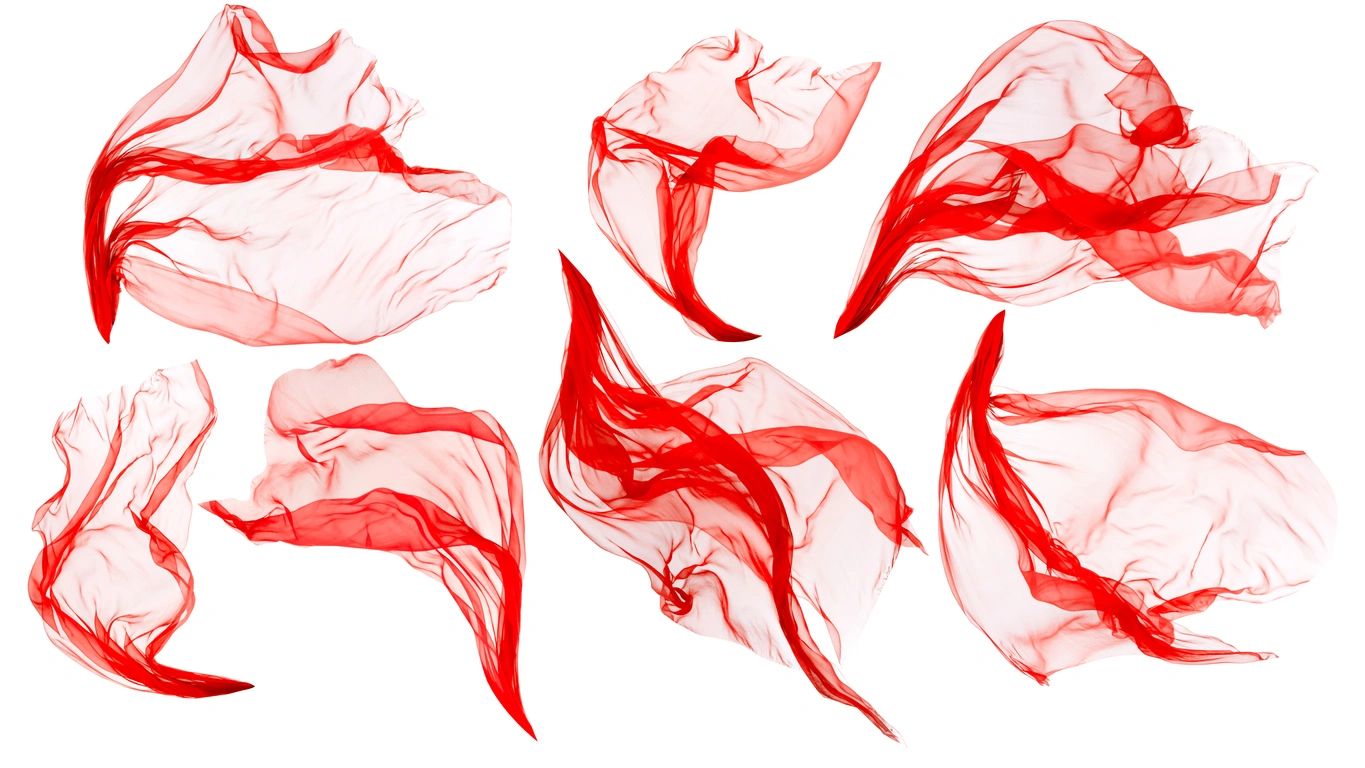
Chiffon is a fabric type, not a fiber Chiffon is generally a lightweight, sheer woven fabric with a distinctive drape. Products can use silk, polyester or other fibers. Read the composition before choosing a care or dyeing method. Common design uses Chiffon can suit overlays, gathered panels, blouses, scarves and flowing occasion wear. Sheerness may … Read more
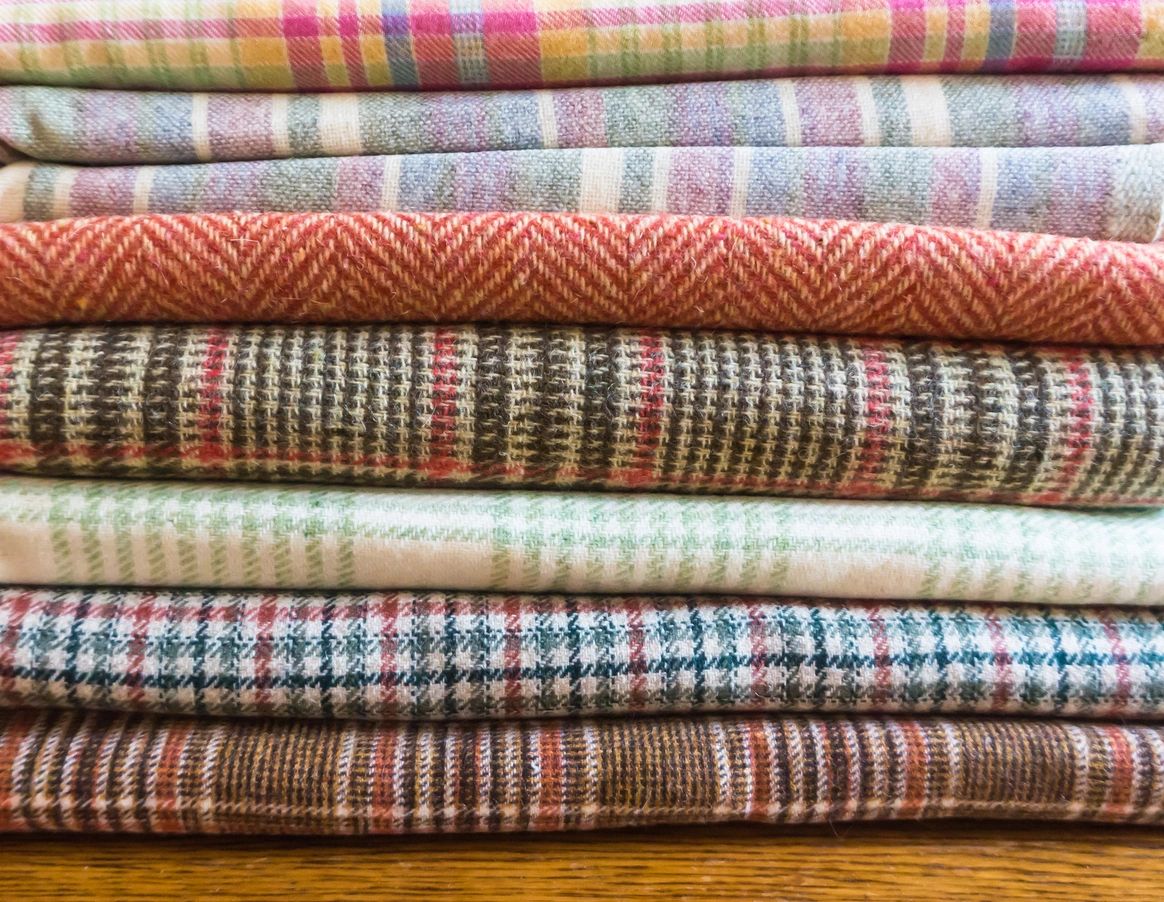
The three foundational weave families A woven fabric interlaces warp and weft yarns. Plain, twill and satin describe different arrangements of those interlacings. They describe structure, not fiber content. Plain weave In the basic pattern, a weft yarn alternates over and under successive warp yarns, with the next row reversing the arrangement. Yarn size, spacing … Read more

Summer comfort depends on the whole garment Fiber content matters, but weight, construction, fit and layering also affect comfort. A lightweight, loose garment can behave differently from a dense, close-fitting garment made with the same fiber. Options to compare Cotton and linen are common choices for summer clothing. Lightweight wool, regenerated cellulosic fabrics and purpose-designed … Read more

Mordants and auxiliaries have different roles A mordant is used in certain dyeing processes to help a colorant attach to a fiber or develop its color. An auxiliary is a broader process aid: it may help preparation, wetting, leveling, bath conditions, washing or finishing. The terms describe a function within a particular recipe. When a … Read more

Temperature depends on the reactive dye system Reactive dyes do not all use the same temperature. Start with the manufacturer’s directions for the specific dye product and fiber. Increasing the heat is not a reliable way to make every shade darker or more permanent. Reaction and competing processes A reactive dye process must balance dye … Read more

What Synthrapol does in dyeing Synthrapol is a specialist detergent used in textile preparation and washing after dyeing. Jacquard describes uses including prewashing and removing excess dye. Follow the exact product directions for the fiber, dye system and equipment. Before dyeing Preparation helps remove substances that interfere with wetting and dye uptake. The appropriate cleaning … Read more