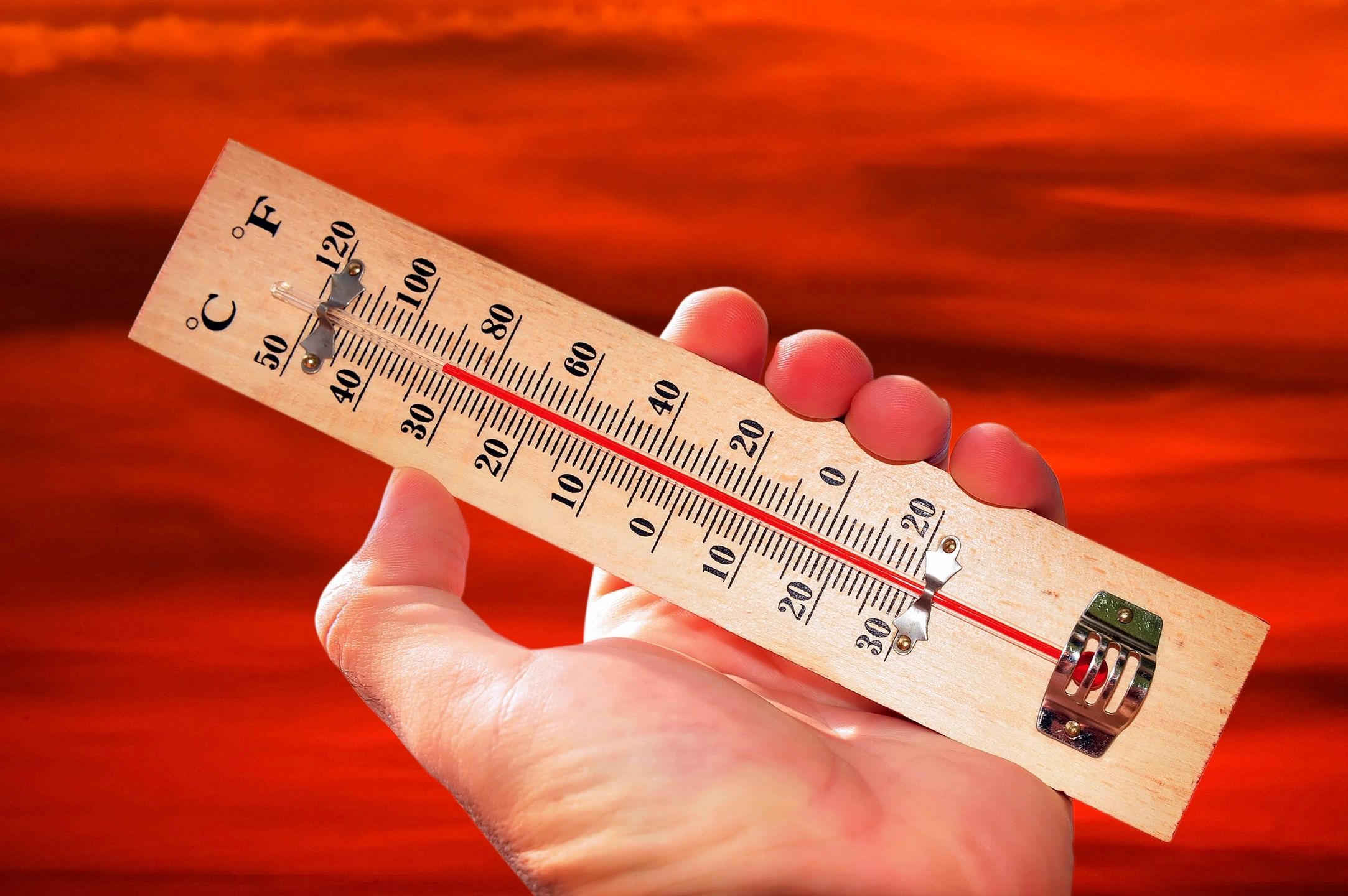
Temperature depends on the reactive dye system
Reactive dyes do not all use the same temperature. Start with the manufacturer’s directions for the specific dye product and fiber. Increasing the heat is not a reliable way to make every shade darker or more permanent.
Reaction and competing processes
A reactive dye process must balance dye uptake and fixation with the dye’s reaction with water. Temperature, time, alkalinity and concentration interact. A change that accelerates a reaction can also change evenness or the amount of unfixed dye left to wash away.
A product-specific example
Jacquard describes Procion MX as a cold-water reactive dye for cellulose fibers. Its directions specify preparation and fixation requirements. That example does not establish a universal temperature for every reactive dye.
Do not transfer the recipe to polyester
Polyester typically requires a different dye system. A cellulose reactive-dye recipe should not be presented as the same process for polyester. Blends also need an assessment of which component will take the selected colorant.
Plan a controlled test
Identify the fiber and dye product.
Follow the specified temperature range and process sequence.
Keep measured quantities and timing consistent.
Complete the prescribed rinse and afterwash.
Assess the dry sample in suitable light before scaling up.
For manufactured goods, trims, coatings and construction may impose limits even when the main fiber is compatible.
Reference
See Jacquard’s Procion MX information and its dye selection guide to compare product systems.
Planning a color change?
Request a professional dyeing assessment with photos, fiber labels, the current shade and target color. For a suitable home project, our supplies guide includes product limits and Amazon affiliate disclosures.