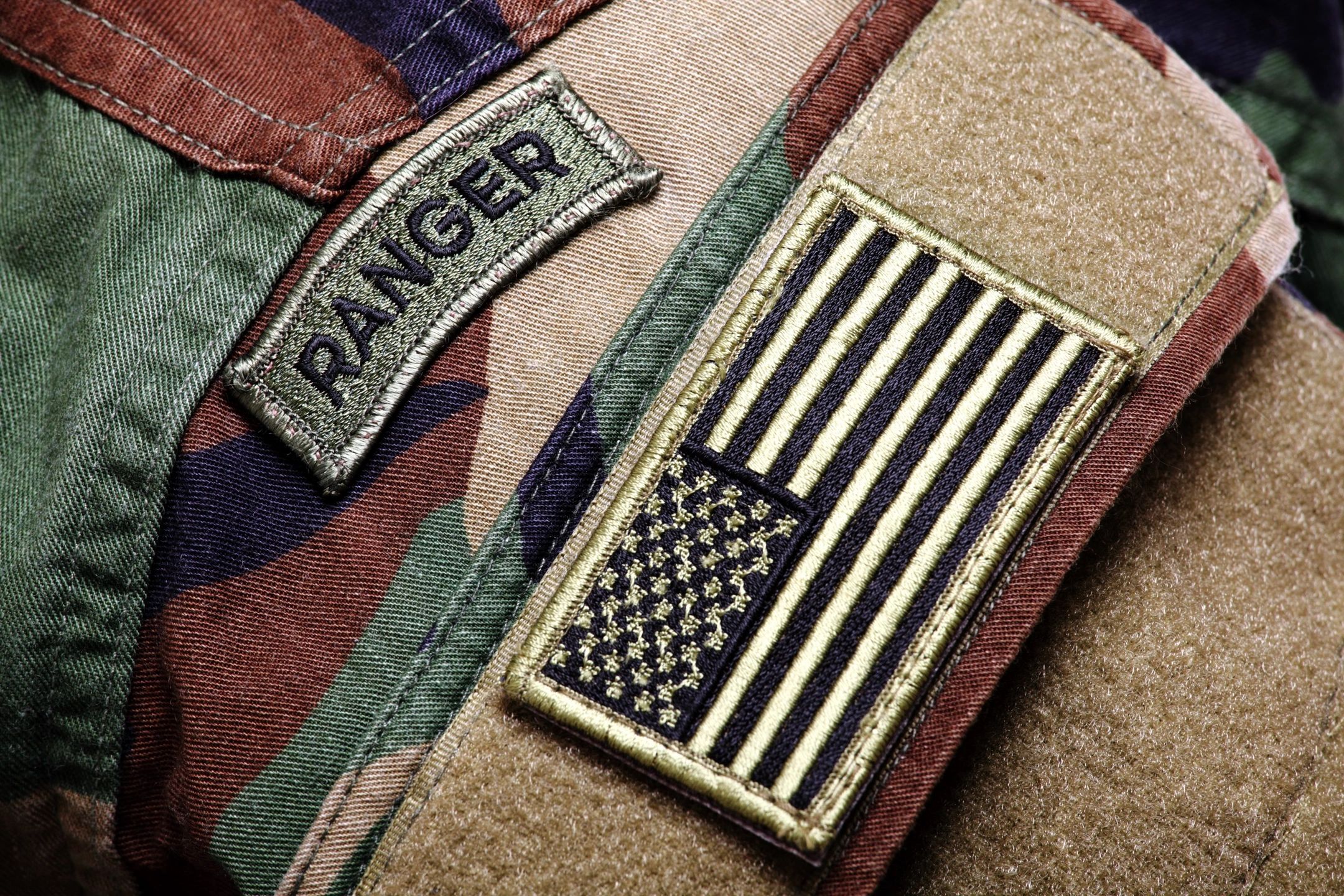
Textiles serve many military functions
Uniforms, shelters, load-carrying equipment, parachutes and protective systems use textiles for different tasks. Identification, comfort, durability and protection are separate requirements.
Construction matters
Fiber selection, fabric structure, layers, seams and finishes all contribute to performance. Protective equipment should be evaluated as a specified system. A general coating does not make an ordinary fabric “bulletproof.”
Uniforms are not all identical
Camouflage appearance does not establish flame resistance or other protection. Different garments can use different materials and test requirements, even when their patterns look similar.
Testing supports specific claims
The U.S. Army describes system-level flame and thermal testing for particular garments. That evidence should not be transferred to unrelated clothing.
Care and alterations can matter
- Use the issued or manufacturer care instructions.
- Check authorized repair and alteration requirements.
- Keep performance claims tied to the exact item.
- Do not assume home dyeing preserves a tested property.
Color work requires an assessment
Recoloring can affect identification, finishes and compliance with an item’s specification. Seek approval and technical advice from the relevant supplier or authority before changing functional or issued equipment.For ordinary non-protective textile projects, our fabric guides explain fiber and process selection.