Clothing and fabric dyeing, fabric sourcing, and cut & sew—from one item to commercial production.

Choosing Bed Sheet Fabric: Fiber, Weave and Care

Choose sheets by fiber and construction A good sheet fabric suits your comfort preferences, mattress and laundry routine. Fiber names and construction names describe different things: cotton and linen are fibers; percale, sateen, flannel and jersey describe types of fabric construction or finishing. Compare common options Cotton sheets come in many weights and weaves, so … Read more

Choosing Fabric for Summer Clothes: Weight, Fit and Fiber

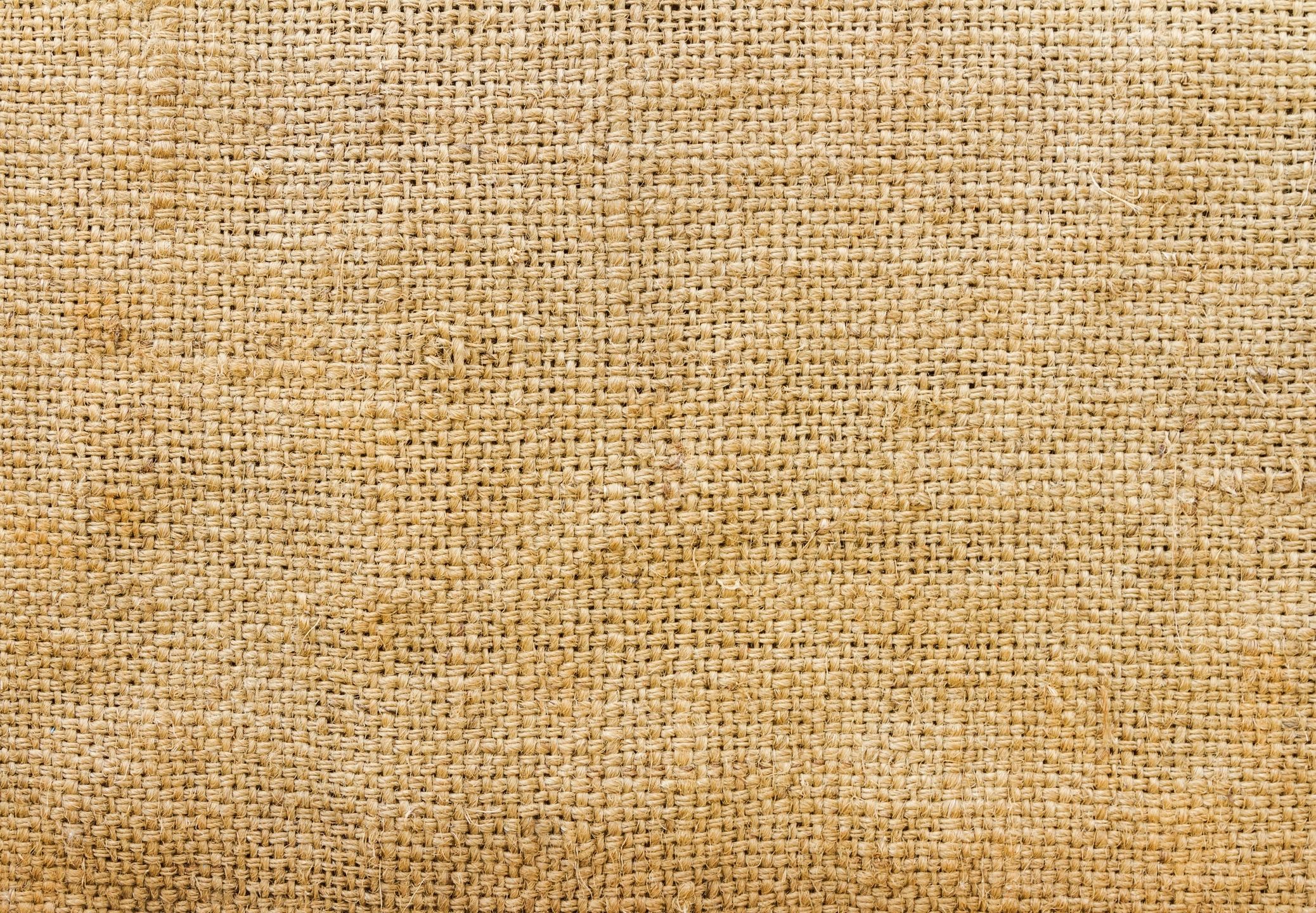
Summer comfort depends on the whole garment Fiber content matters, but weight, construction, fit and layering also affect comfort. A lightweight, loose garment can behave differently from a dense, close-fitting garment made with the same fiber. Options to compare Cotton and linen are common choices for summer clothing. Lightweight wool, regenerated cellulosic fabrics and purpose-designed … Read more

Cotton vs. Linen: Fiber, Fabric Construction and Dyeing

Cotton and linen come from different plants Cotton fiber grows around the seed of the cotton plant. Linen is made from flax fiber. Both are plant-based cellulosic textile fibers, but their yarns and fabrics can have different textures, weights and performance. Compare the actual fabric Linen often has a distinctive textured hand and visible creasing. … Read more

Soda Ash: Sources, Sodium Carbonate and Dyeing Use

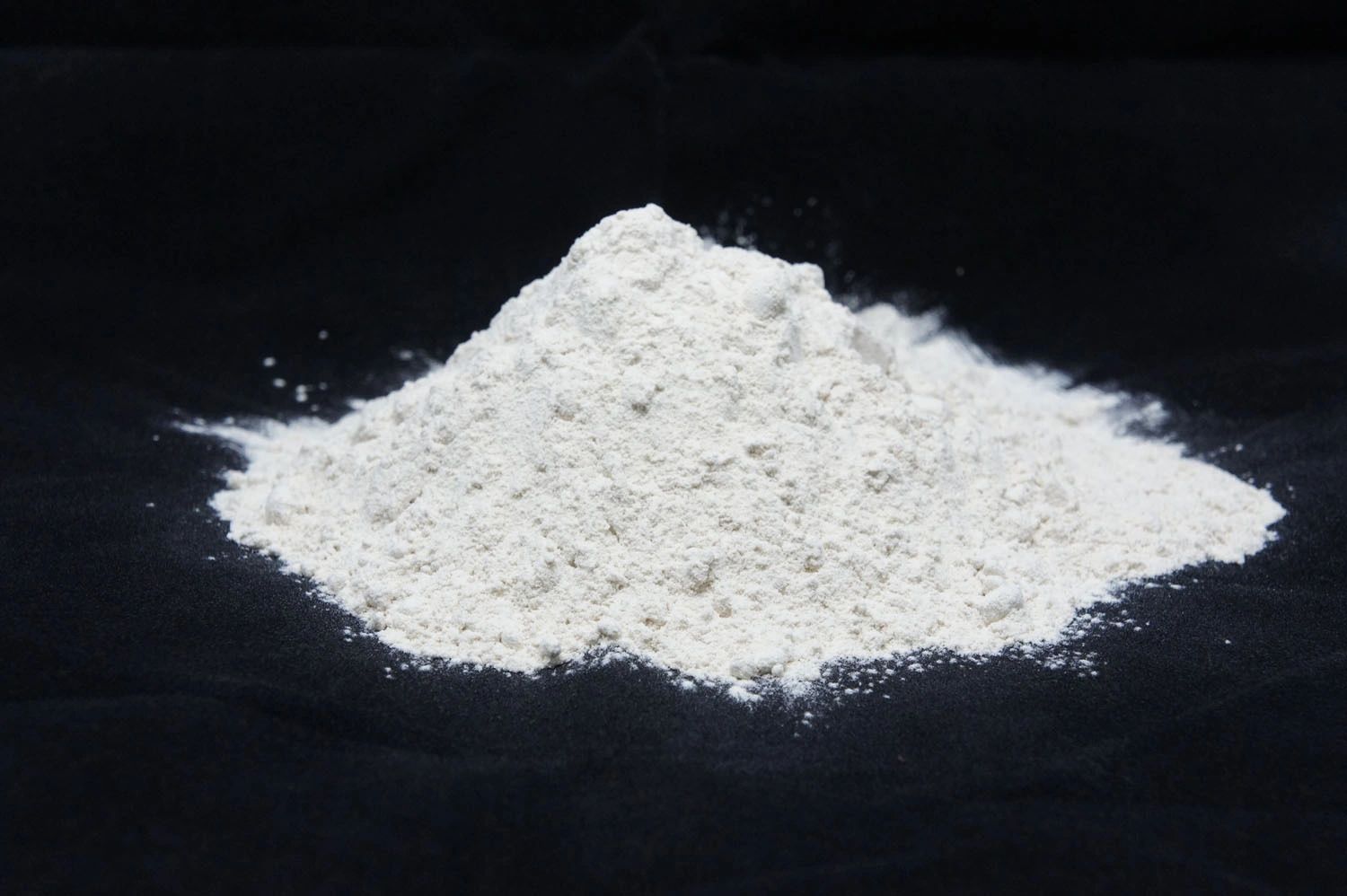
Where soda ash comes from Soda ash is sodium carbonate. The U.S. Geological Survey describes natural soda ash as refined from trona or sodium-carbonate-bearing brines, and synthetic soda ash as manufactured through chemical processes. Why it appears in dyeing instructions Jacquard describes soda ash as an alkali used to promote the reaction between Procion MX … Read more

Temperature in Reactive Dyeing: Follow the Dye and Fiber System

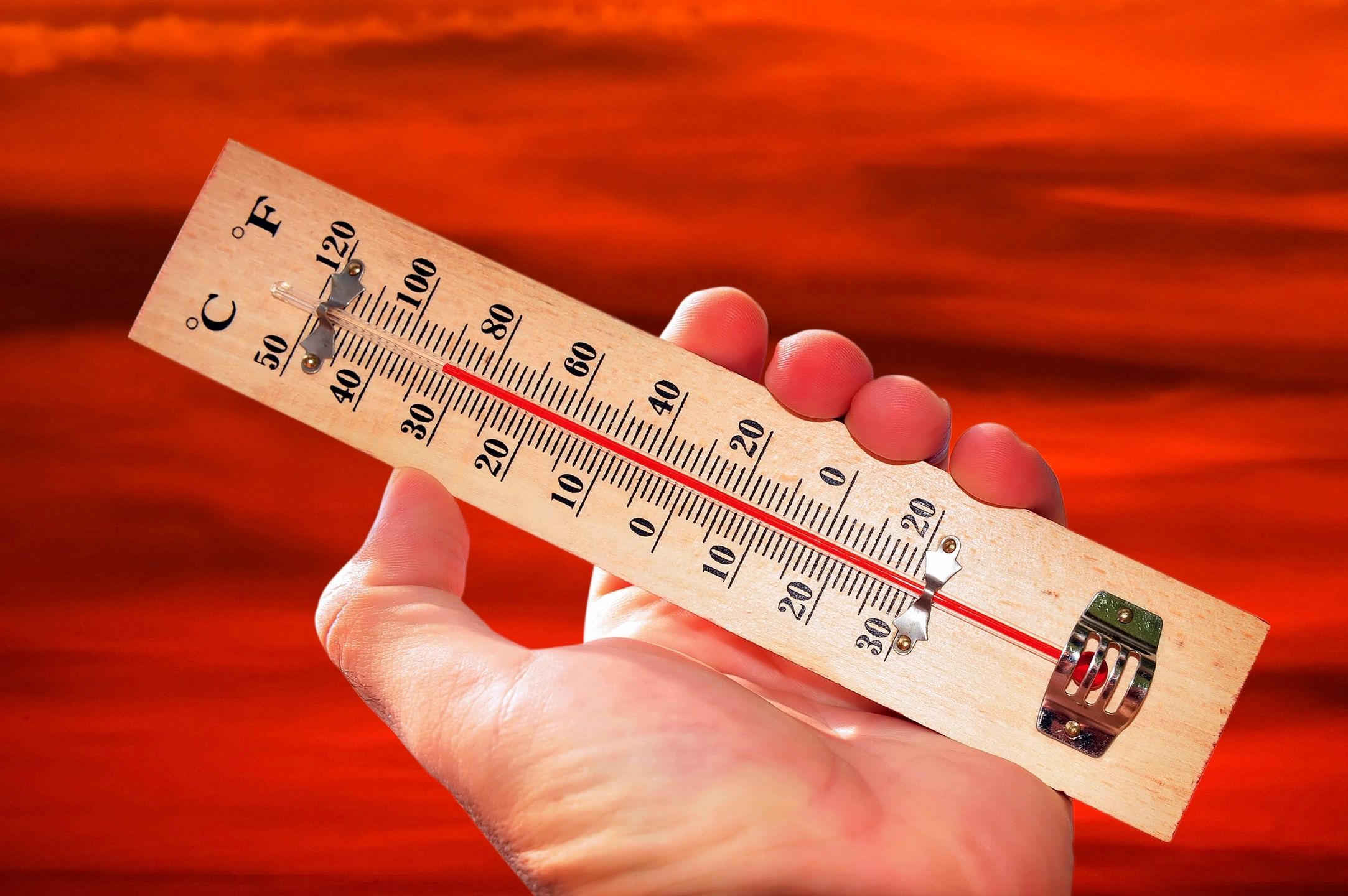
Temperature depends on the reactive dye system Reactive dyes do not all use the same temperature. Start with the manufacturer’s directions for the specific dye product and fiber. Increasing the heat is not a reliable way to make every shade darker or more permanent. Reaction and competing processes A reactive dye process must balance dye … Read more

Textile Fiber Types: Natural, Regenerated and Synthetic

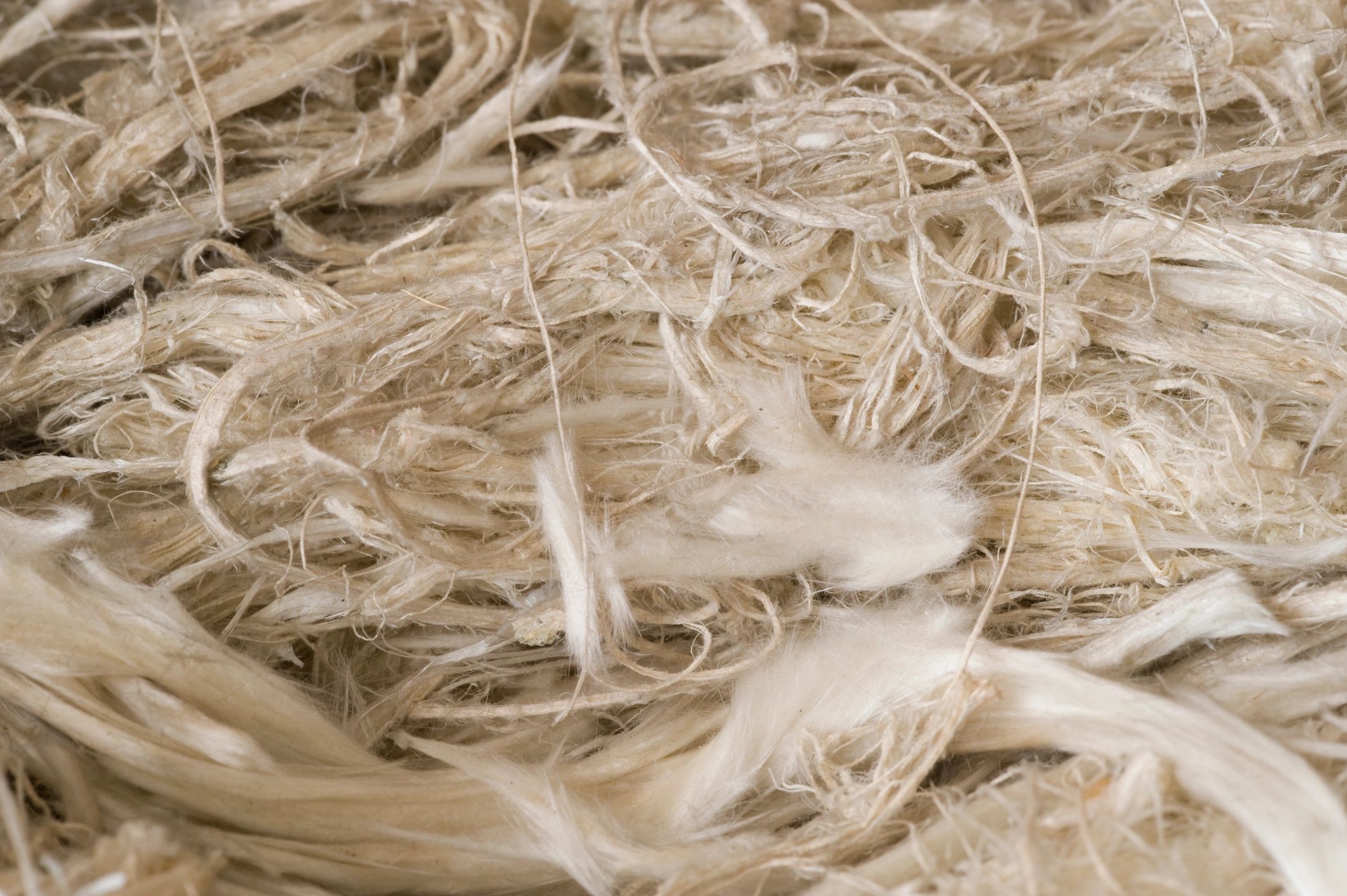
Two broad groups, many individual fibers Textile fibers are commonly organized into natural and manufactured groups. There is no single useful total count: classifications can describe origin, chemistry or commercial products, and blends combine more than one fiber. Natural fibers Plant fibers include cotton and flax, the source of linen. Animal fibers include wool and … Read more

Textile Engineering: Education, Skills and Career Preparation

Textile engineering combines engineering and materials Textile engineering programs apply mathematics, science and engineering to fibers, fabrics, manufacturing and products. Admission and graduation requirements vary by institution. The requirements of a job also depend on its responsibilities. Start with the actual program Review the current university catalog for prerequisites, course sequence, laboratory work and application … Read more

What Is Synthrapol Used For? Preparation and Afterwashing

What Synthrapol does in dyeing Synthrapol is a specialist detergent used in textile preparation and washing after dyeing. Jacquard describes uses including prewashing and removing excess dye. Follow the exact product directions for the fiber, dye system and equipment. Before dyeing Preparation helps remove substances that interfere with wetting and dye uptake. The appropriate cleaning … Read more