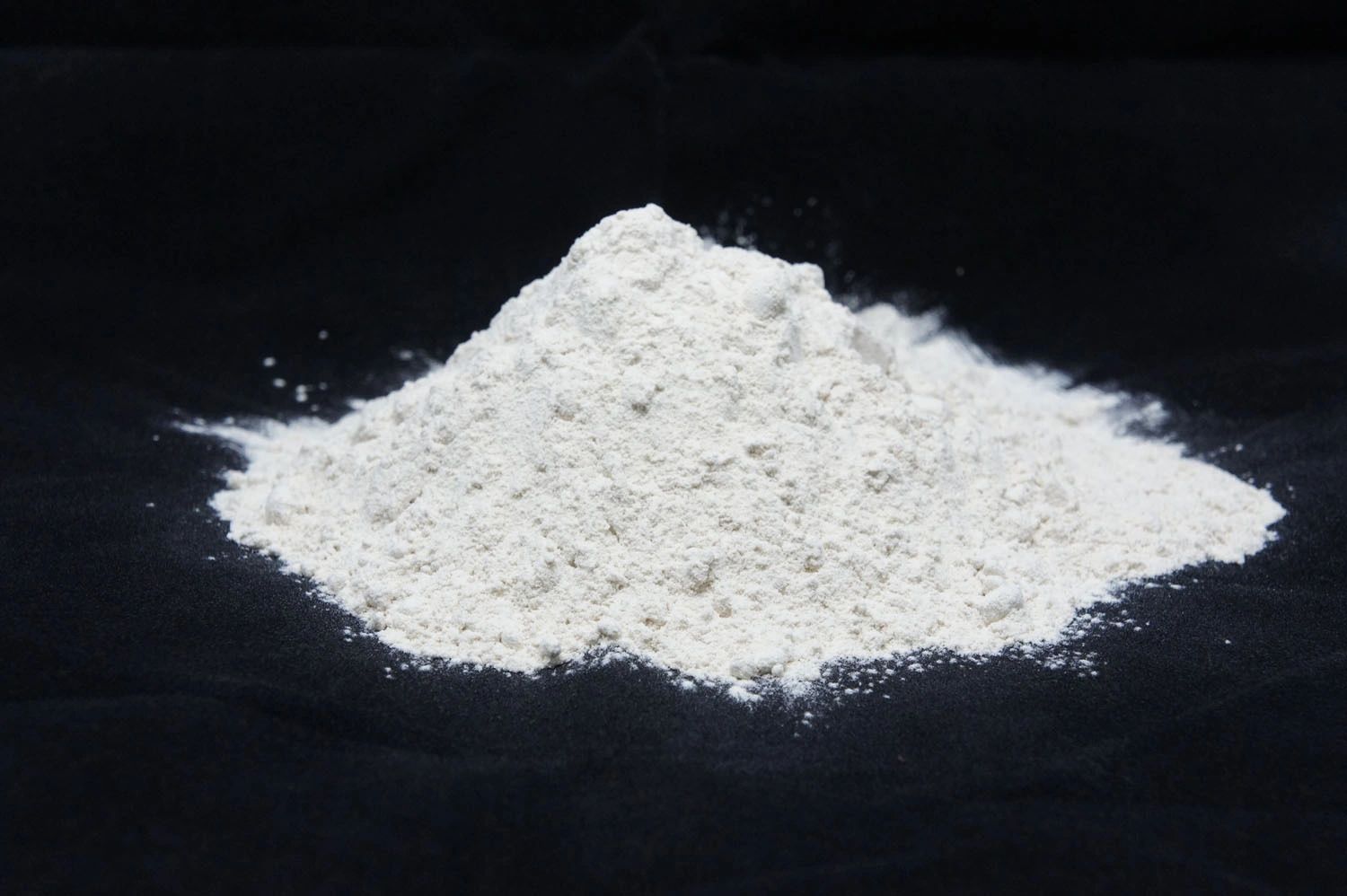
Where soda ash comes from
Soda ash is sodium carbonate. The U.S. Geological Survey describes natural soda ash as refined from trona or sodium-carbonate-bearing brines, and synthetic soda ash as manufactured through chemical processes.
Why it appears in dyeing instructions
Jacquard describes soda ash as an alkali used to promote the reaction between Procion MX dye and cellulose fibers. This is a process-specific role, not a universal additive for every dye or fabric.
Soda ash is different from baking soda
Baking soda is sodium bicarbonate. Do not substitute it, or another household cleaning product, simply because the name sounds similar. Follow the dye manufacturer’s specified product and quantity.
Before using it
Check whether the selected dye process calls for soda ash.
Read the product label and handling instructions.
Confirm that the textile and trims can tolerate the method.
Use the prescribed sequence and complete washing process.
Avoid combining recipes or adding chemicals to an unknown bath.
References
USGS soda ash information explains its sources. Jacquard’s soda ash page explains its role in that manufacturer’s process.
Planning a color change?
Request a professional dyeing assessment with photos, fiber labels, the current shade and target color. For a suitable home project, our supplies guide includes product limits and Amazon affiliate disclosures.