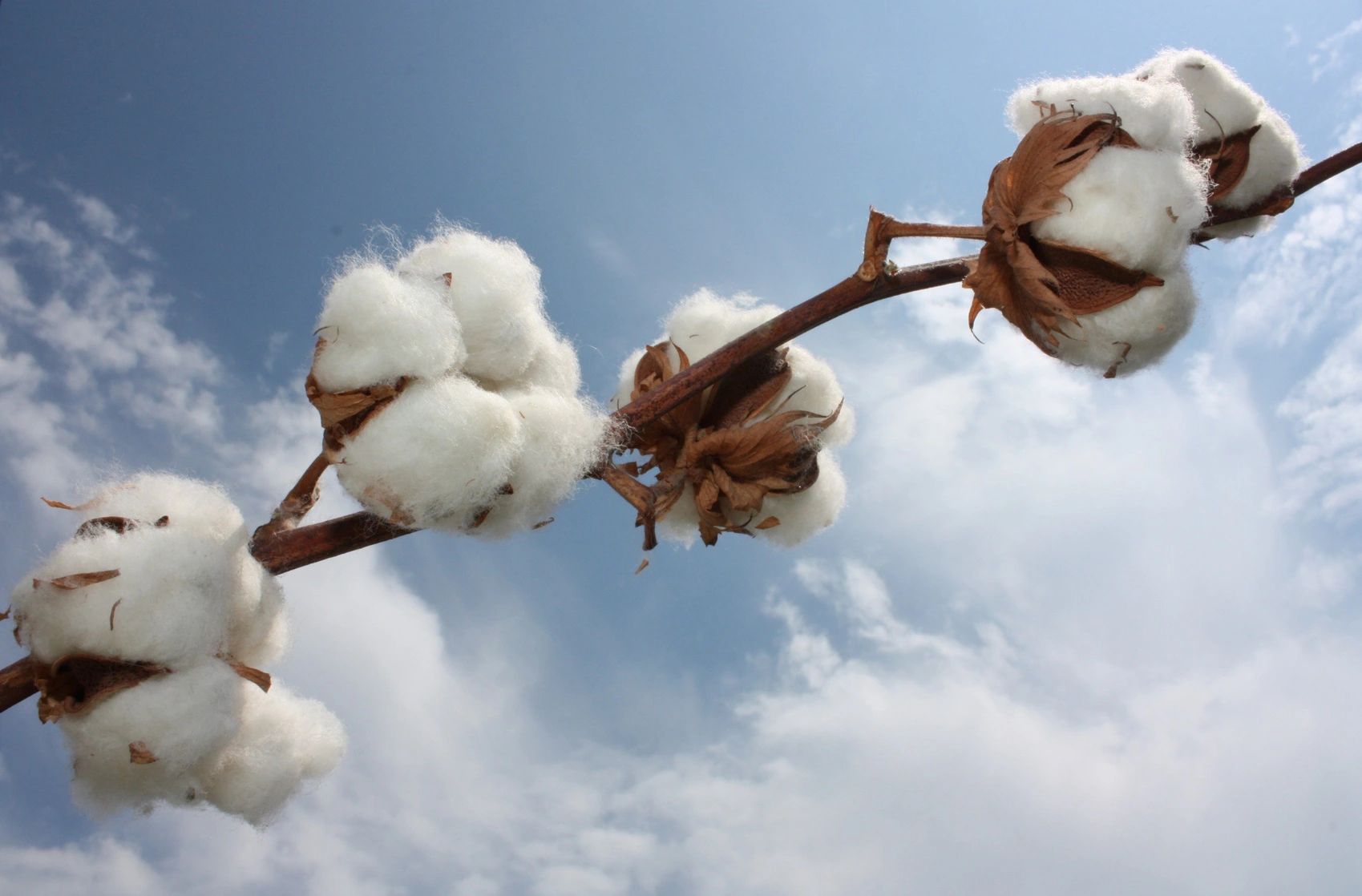
Organic describes how the cotton is grown
An organic cotton claim concerns cotton produced under an applicable organic agriculture standard. It should be supported by traceability and certification information. It does not automatically describe every later dyeing, finishing or garment-making step.
Fiber and finished-product claims differ
A textile can contain organic cotton while also including other fibers, dyes and finishes. Check the percentage, certification scope and exact claim on the finished product.
What GOTS adds
The Global Organic Textile Standard addresses textiles made from organic fibers and includes requirements for processing and manufacturing. Consult GOTS’ own information for current scope and labeling requirements rather than treating an organic fiber label as equivalent.
Avoid unsupported assumptions
Organic does not mean no chemicals were used anywhere.
A fiber claim does not prove a product is suitable for every skin condition.
Water use depends on location and production conditions.
Softness depends on yarn, construction and finishing too.
Labor claims need evidence for the relevant supply-chain stages.
Dyeing an organic cotton item
Identify the entire composition, finish and trims. A dye suitable for cotton still needs a compatible process and sample test. Do not assume a home color change preserves the scope of a finished-product certification.Compare our fabric dyeing options when evaluating professional treatment.
Planning a color change?
Request a professional dyeing assessment with photos, fiber labels, the current shade and target color. For a suitable home project, our supplies guide includes product limits and Amazon affiliate disclosures.