Fast Fashion and Longer Clothing Use: Claims and Practical Choices
Rapid turnover has several kinds of impacts
Rapid turnover has several kinds of impacts
Define what you want to assess Ethical clothing claims may concern working conditions, sourcing, animal welfare or environmental impacts. These are separate questions. A small brand, a natural fiber or a high price does not prove all of them. Ask for specific evidence Which suppliers and production stages are disclosed? What standard or verification supports … Read more
Recycled content needs a stated source Recycled textiles incorporate material recovered and reprocessed from a waste stream. Sources can include manufacturing waste or used products. Reuse, repair and recycling are different routes: donating a garment does not prove it has been turned into new fiber. Processing depends on the material Mechanical methods may break material … Read more
A claim needs a named standard Fair trade language can refer to different certification programs and supply-chain commitments. Check the exact mark, issuer and scope before assuming a garment’s entire production chain has been verified. Cotton and textile marks differ Fairtrade International distinguishes its Cotton Mark from its Textile Production Mark. A certified cotton input … Read more

Compare the whole product No fiber name proves that a fabric has a low environmental impact in every setting. Raw materials, processing, dyeing, finishing, transport, use and disposal all contribute. Start by identifying the purpose and comparing products that can perform that job. Questions to ask a supplier What are the exact fiber percentages and … Read more

A term covering many different impacts Sustainable fashion describes efforts to improve environmental and social outcomes across clothing’s lifecycle. It is not one material, logo or shopping category. Meaningful claims state which impact is being addressed and provide evidence. Look across the lifecycle Raw material sourcing and fiber production. Spinning, weaving or knitting. Dyeing, finishing … Read more
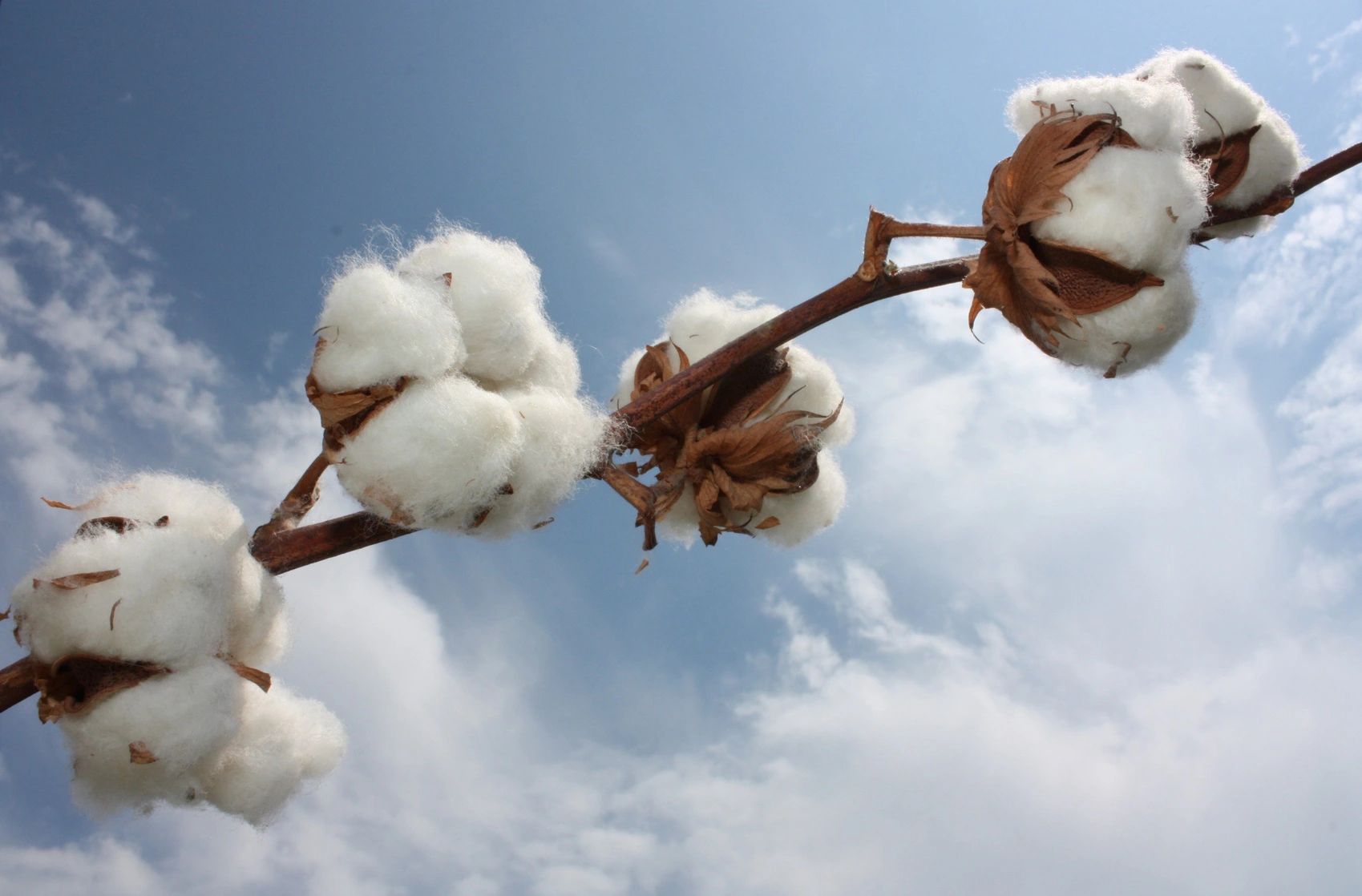
Organic describes how the cotton is grown An organic cotton claim concerns cotton produced under an applicable organic agriculture standard. It should be supported by traceability and certification information. It does not automatically describe every later dyeing, finishing or garment-making step. Fiber and finished-product claims differ A textile can contain organic cotton while also including … Read more

Which dye has the lowest environmental impact? There is no universal answer for every textile project. Compare the specific colorant and full process against the required shade, durability and use. A natural source alone does not establish the lowest impact. Define what you are comparing A useful comparison needs a clear boundary: production of the … Read more