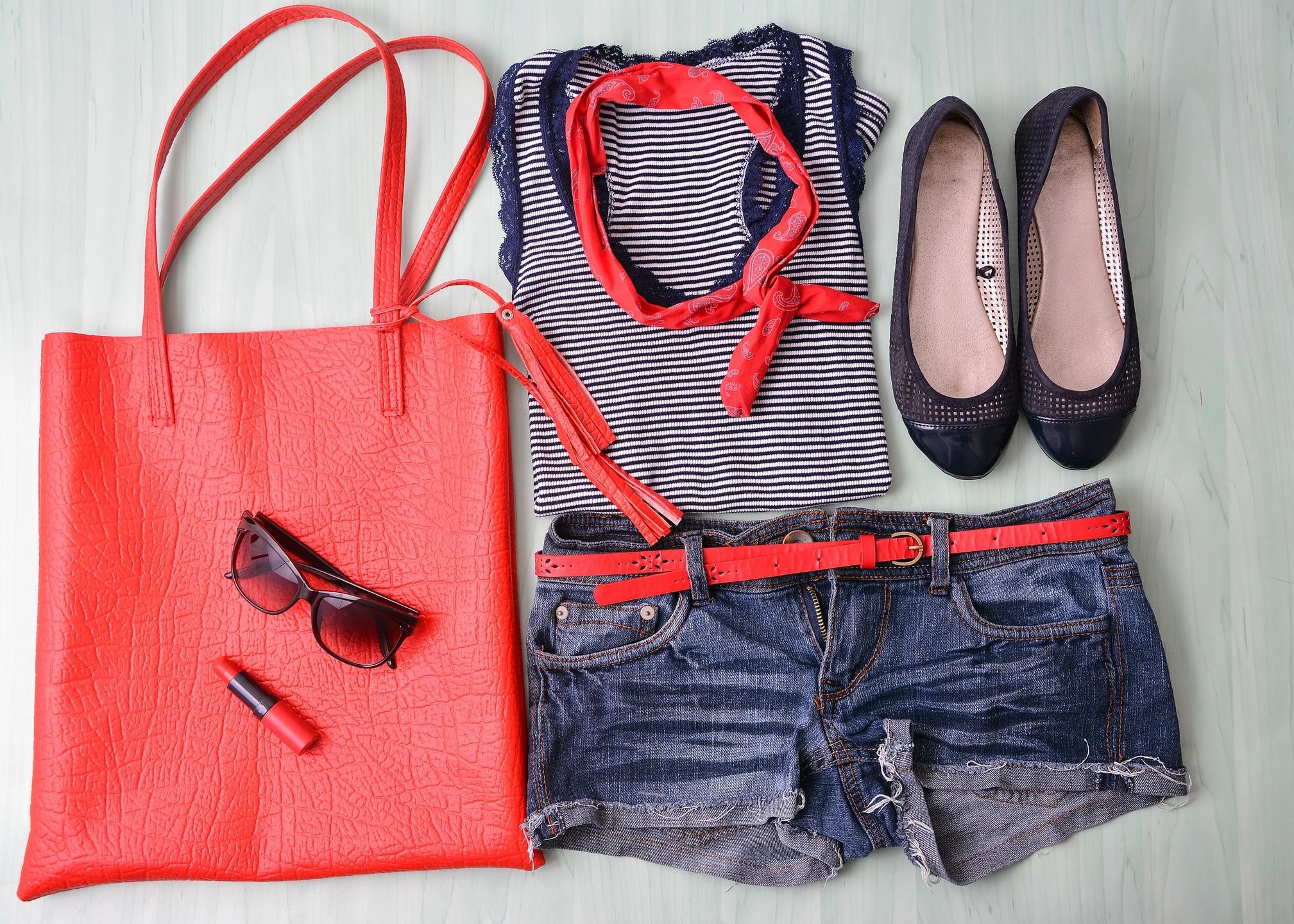
Rapid turnover has several kinds of impacts
Fast fashion commonly describes clothing produced and marketed around quick trend cycles. Materials, manufacturing, labor conditions, transport, care and disposal all matter. Avoid assuming every item at one price point has the same history.
Ask for evidence
What materials and sourcing claims are stated?
Which production stages are disclosed?
What supports labor and environmental claims?
How durable and repairable is the item?
Will you actually use it?
Make existing clothing useful
Repairing, altering, borrowing or buying used may meet a need without purchasing a new garment. Assess condition and fit. A higher price alone does not guarantee longer life or verified production practices.
Recoloring is one option
A suitable dye treatment may restore a useful shade, but it requires compatible fibers, a sound textile and realistic expectations. It does not repair wear or guarantee stain coverage.
Labels answer different questions
Organic, recycled and harmful-substance claims are distinct. Check the issuer and scope of any certification rather than treating sustainable as a complete product assessment.
Industry context
Textile Exchange provides material and industry resources. Use product-specific evidence when making comparisons.
Planning a color change?
Request a professional dyeing assessment with photos, fiber labels, the current shade and target color. For a suitable home project, our supplies guide includes product limits and Amazon affiliate disclosures.