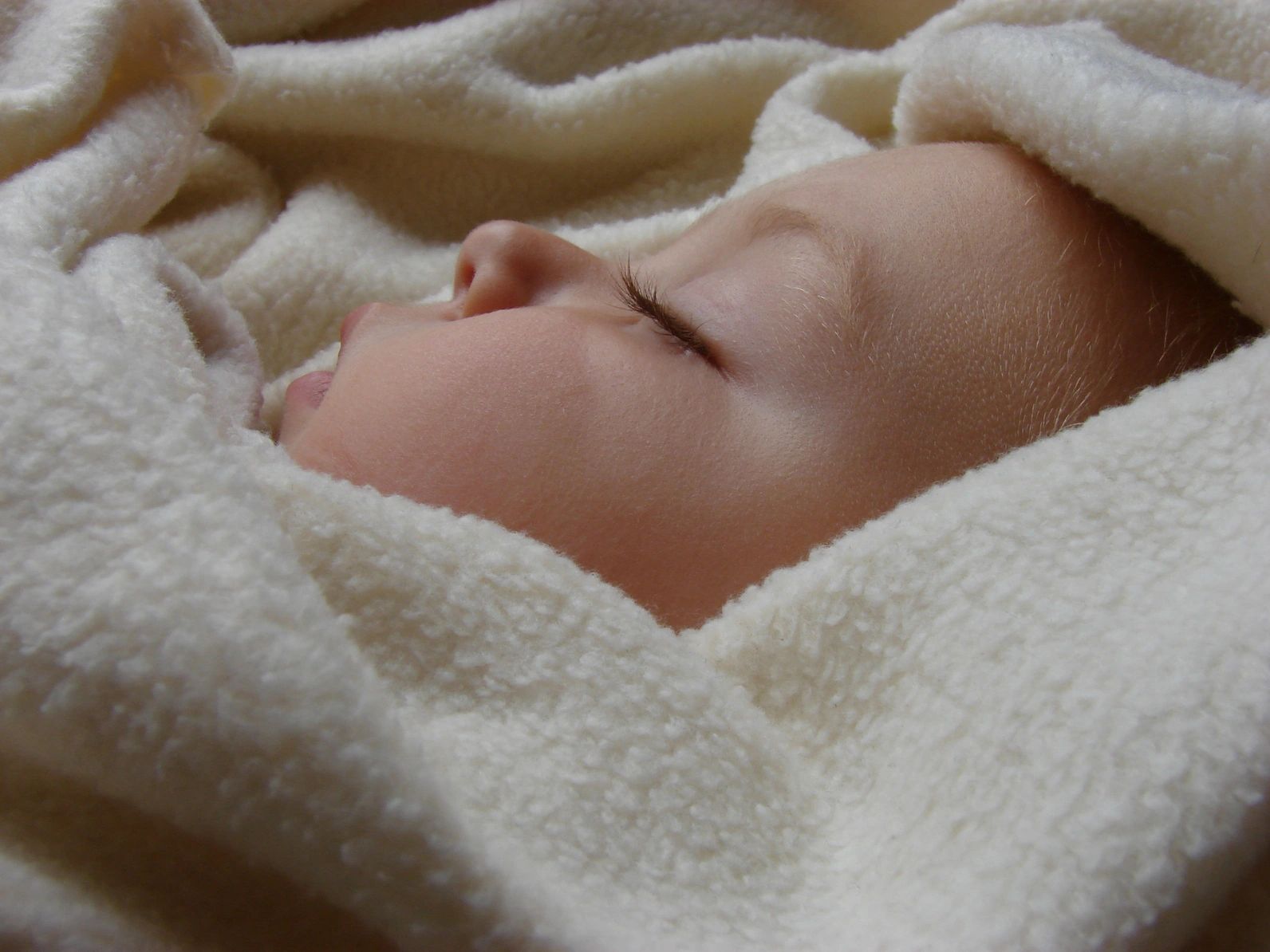
Fleece describes a fabric surface, not one fiber
Many fleece fabrics are knitted materials with a raised or brushed surface. Polyester fleece is common, but fleece products can use other fibers or blends. Read the composition rather than assuming every fleece is synthetic.
Compare actual products
Names such as microfleece, sherpa and anti-pill describe different product features. Weight, pile, backing, finish and construction affect warmth, drape and durability. A name alone does not establish a tested performance rating.
Comfort and performance
A raised surface can trap air, but garment fit, layers and conditions also matter. Moisture-wicking and wind-resistance claims should be tied to the product. Fleece and wool should not be ranked by a blanket claim that one is always warmer.
Care checks
Use the garment or fabric care label.
Check heat limits before drying or pressing.
Follow instructions for any coating or performance finish.
Inspect high-friction areas for pilling.
Use a suitable seam and needle when sewing.
Dyeing fleece
The fiber content determines the dye system. A cotton-dye recipe does not automatically work on polyester fleece. High heat required by a dye may conflict with the item’s construction or care limit.Compare product compatibility in Jacquard’s dye guide before a sample trial.
Planning a color change?
Request a professional dyeing assessment with photos, fiber labels, the current shade and target color. For a suitable home project, our supplies guide includes product limits and Amazon affiliate disclosures.