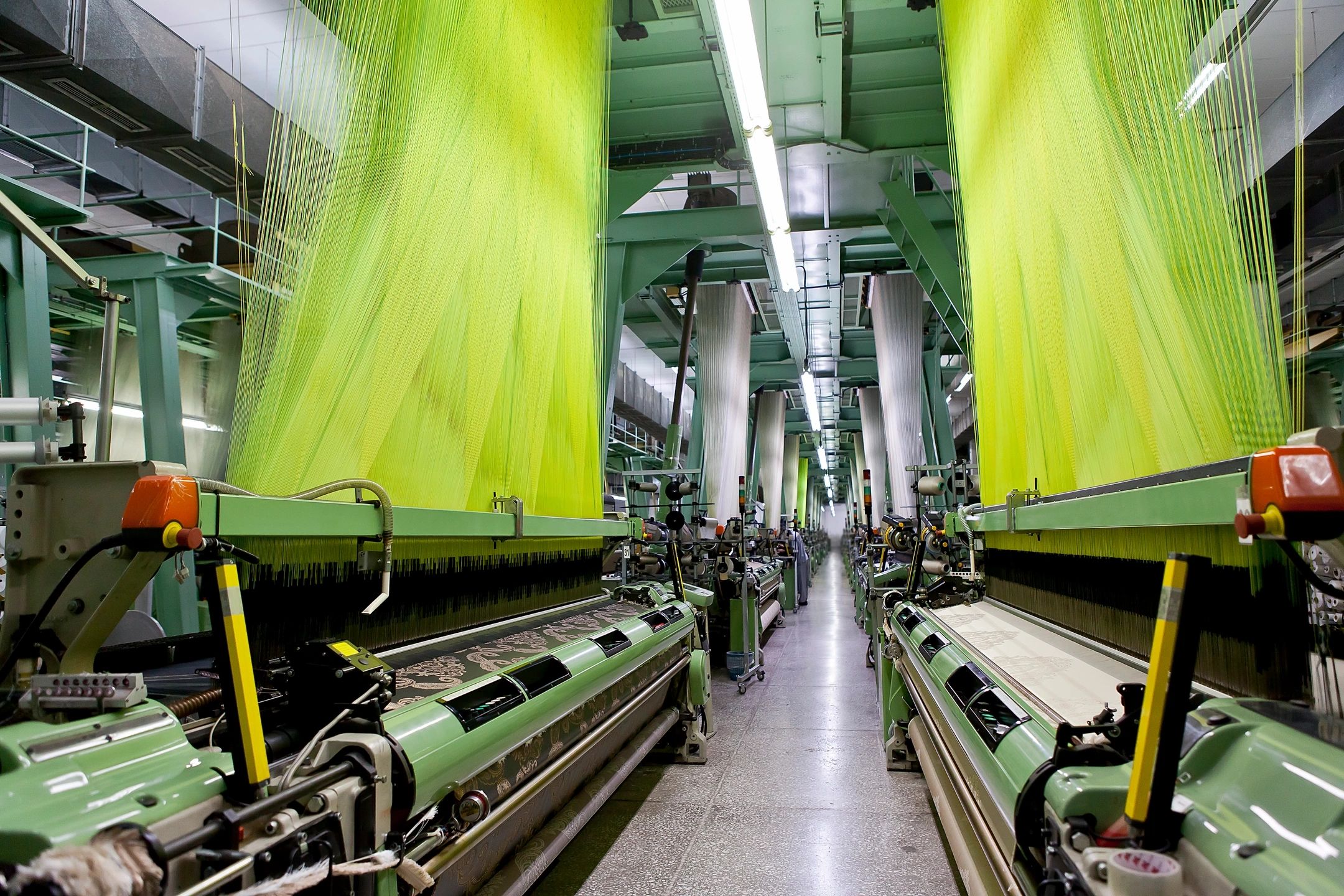
Clothing and fabric dyeing, fabric sourcing, and cut & sew—from one item to commercial production.

Dye and Fabric Chemistry: Fiber Compatibility and Fixation

Why different fabrics need different dyes A textile’s fiber chemistry affects how a dye can attach and remain after washing. The complete process matters too: preparation, temperature, pH, fixation and removal of excess dye work together. Fiber-reactive dye and cellulose Jacquard describes Procion MX as forming a covalent bond with cellulosic fibers. For a suitable … Read more
Dyeing in Fashion Design: Color Effects, Samples and Planning

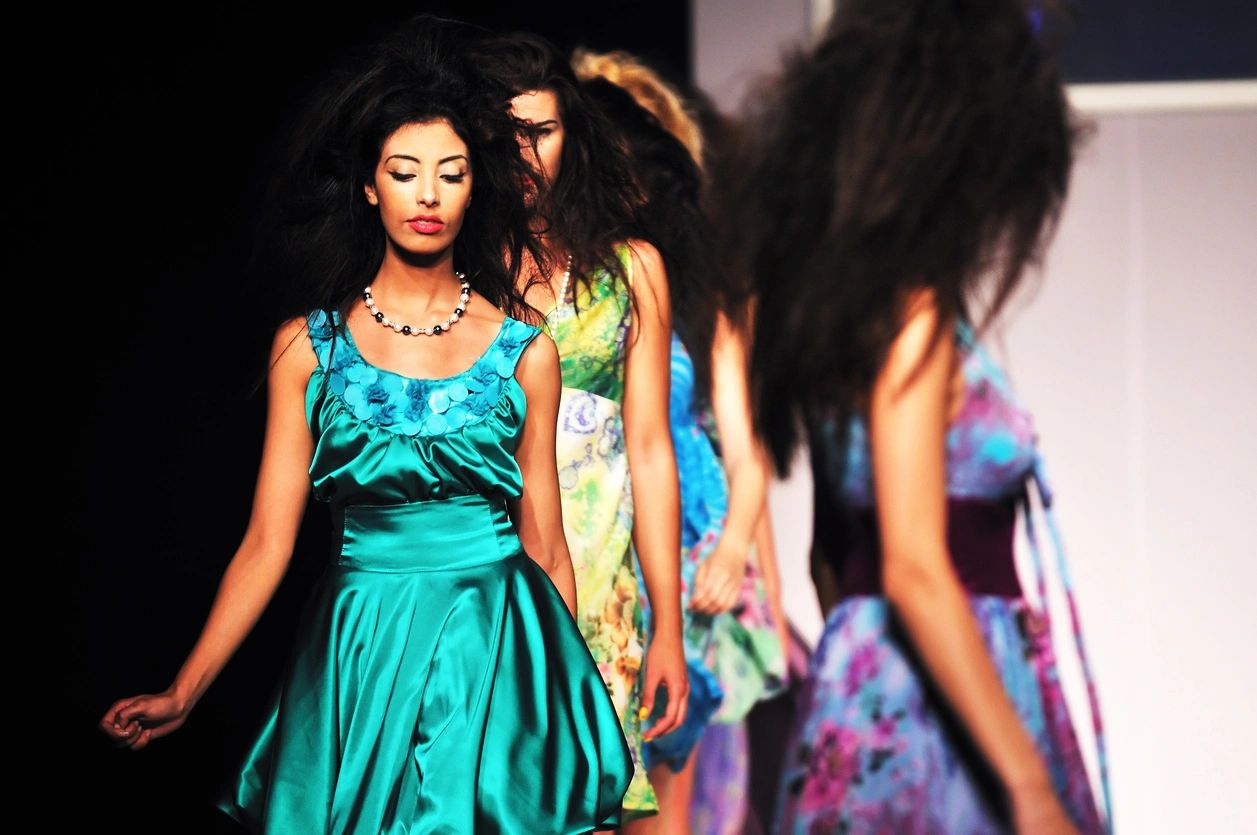
How dyeing supports fashion design Color helps define a collection, coordinate separate pieces and give an existing garment a new direction. A designer can plan color at the yarn, fabric or garment stage, depending on the material and intended effect. Choose a look and a feasible process together Solid color, tie-dye and gradual color effects … Read more

Recycled Materials in Clothing: Sources, Labels and Dyeing

What recycled materials can become clothing? Clothing can contain fibers made from recovered plastic or textile waste. Read the product’s composition and recycled-content information to understand what was recovered and how much is included. Recycled polyester Textile Exchange identifies mechanical recycling of PET bottles as the most common alternative to virgin polyester. A recycled polyester … Read more

Types of Textile Dye: Origin, Application and Fiber Compatibility

Are there only three types of textile dye? No single three-part list covers every textile dye. Dyes can be grouped by origin, chemical structure or application method. Natural, synthetic and mordant are not three mutually exclusive categories: a natural dye can use a mordant. Origin and application answer different questions Natural or synthetic describes where … Read more

Fast vs. Fugitive Dye: Understanding Colorfastness

Fast and fugitive describe color retention In textile discussions, fast generally means resistant to a specified exposure, while fugitive describes color that readily changes or disappears. Fast here refers to durability, not how quickly the dyeing process finishes. Colorfastness is not one universal property A fabric can perform differently in laundering, rubbing, perspiration and light. … Read more

Four Textile Dyeing Stages: Fiber, Yarn, Fabric and Garment

Textile dyeing can happen at different stages of production: loose fiber, yarn, fabric or a finished garment. These stages describe when the color is applied. They are different from dye chemistry, such as reactive or disperse dyes, and from decorative techniques such as tie-dye. 1. Fiber or stock dyeing The fiber is colored before spinning. … Read more