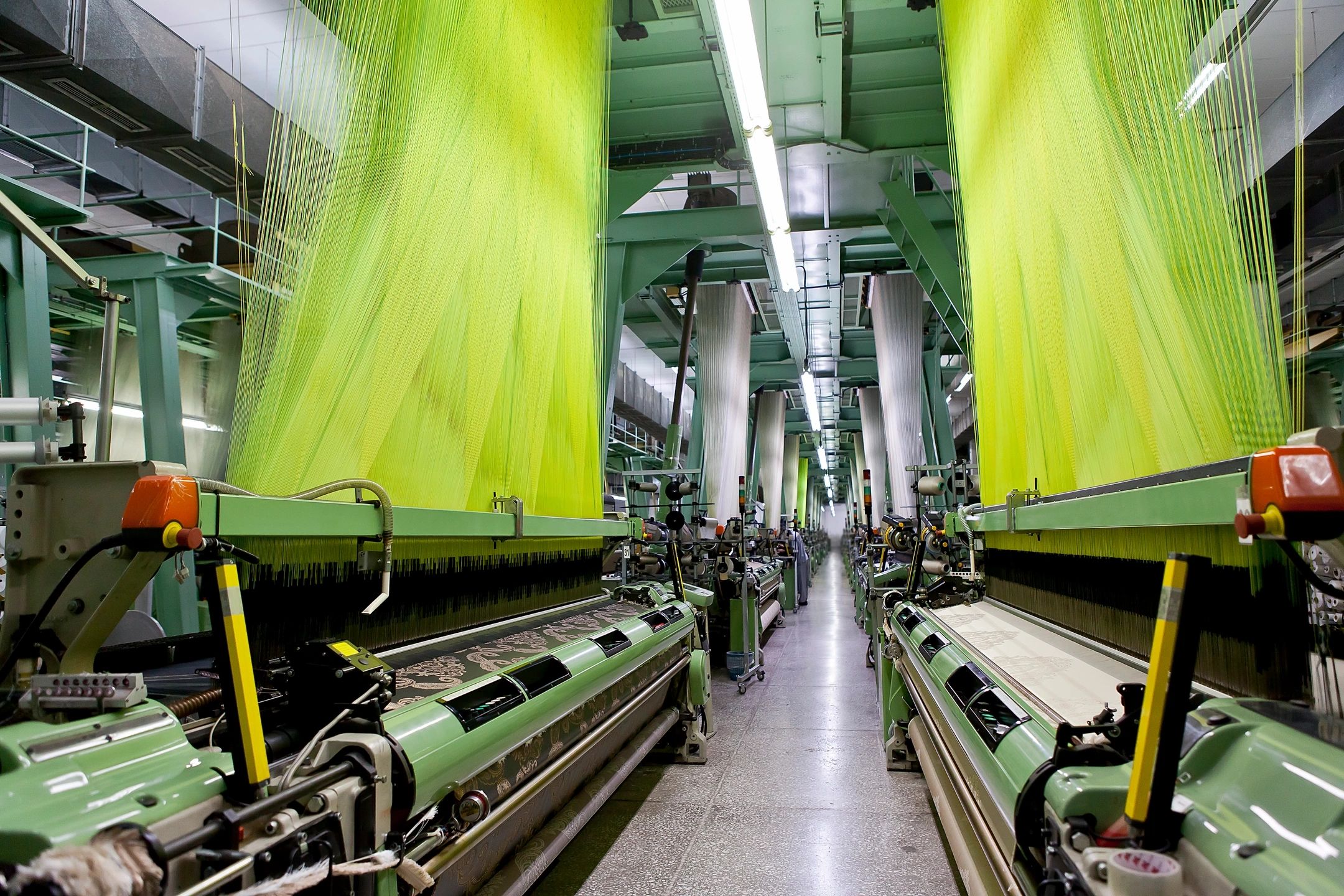
Textile dyeing can happen at different stages of production: loose fiber, yarn, fabric or a finished garment. These stages describe when the color is applied. They are different from dye chemistry, such as reactive or disperse dyes, and from decorative techniques such as tie-dye.
1. Fiber or stock dyeing
The fiber is colored before spinning. It can then be combined during later processing to create a planned textile appearance. The choice depends on the fiber and production system.
2. Yarn dyeing
Yarn is colored before knitting or weaving. Different yarn colors can become stripes, checks or other structural patterns. Package form, handling and shade consistency are part of planning. Explore yarn dyeing for the service questions.
3. Piece or fabric dyeing
Already knitted or woven fabric is dyed before it is made into an article. Discuss width, weight, preparation, finish and required shade with the provider. Fabric dyeing differs from printing a localized design on the surface.
4. Garment dyeing
A sewn garment is dyed after assembly. Its body fabric, thread, lining, elastic, trims and closures all need assessment. Garment dyeing is not another name for garment washing: washing and dyeing are distinct treatments that may be used within a larger process.
How to choose
The intended design, ability to approve samples, material compatibility and production schedule guide the decision. No stage guarantees an exact color or removes the limits of a mixed-material item. CottonWorks explains these production stages.
Compare dyeing services or send the material, quantity and desired result through our quote form.