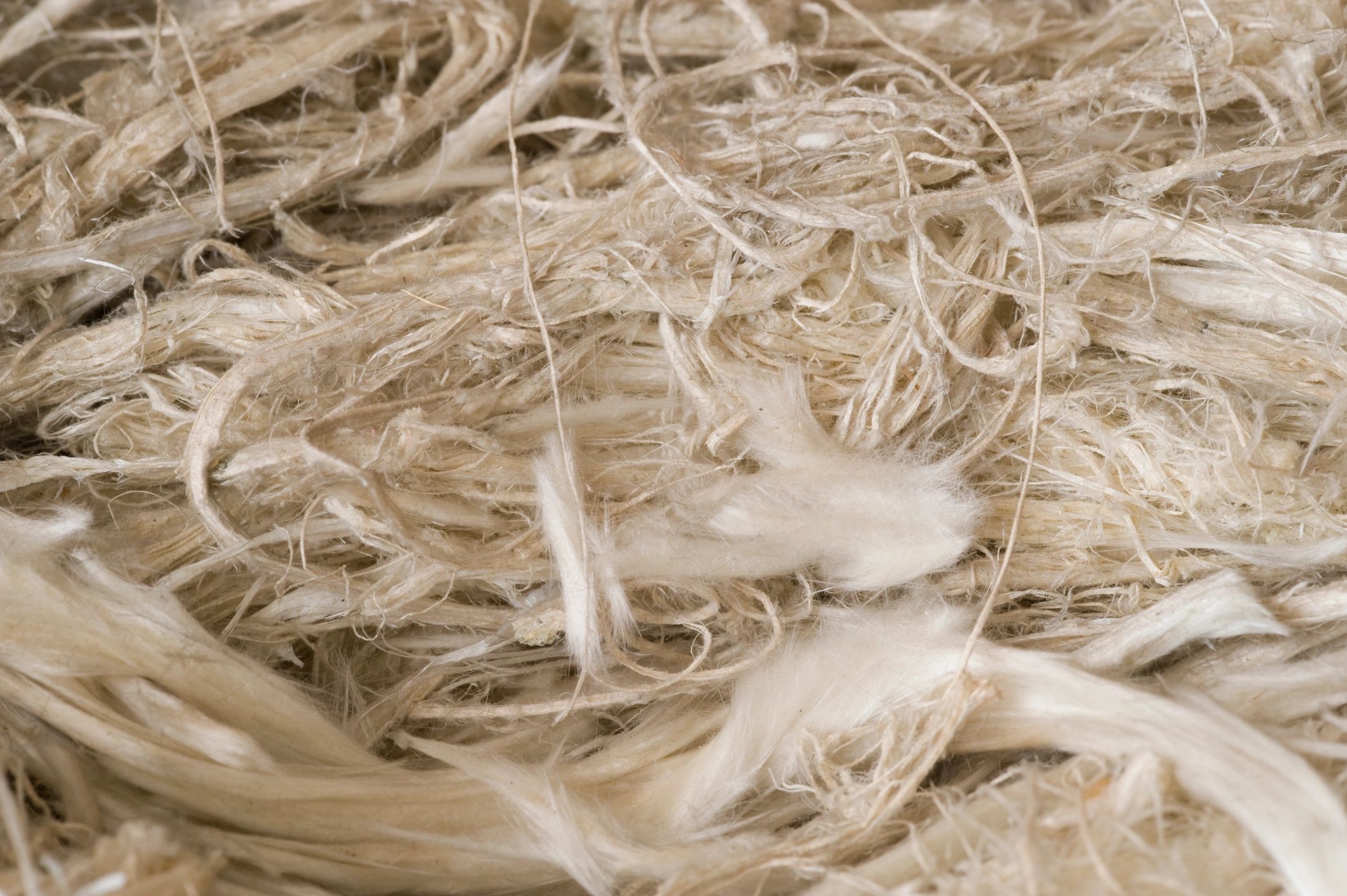
Two broad groups, many individual fibers
Textile fibers are commonly organized into natural and manufactured groups. There is no single useful total count: classifications can describe origin, chemistry or commercial products, and blends combine more than one fiber.
Natural fibers
Plant fibers include cotton and flax, the source of linen. Animal fibers include wool and silk. Their properties vary with the fiber, yarn and fabric construction; the group name alone does not predict care or comfort.
Manufactured fibers
This umbrella includes regenerated fibers and synthetic fibers. Regenerated cellulosic examples include viscose rayon, modal and lyocell: cellulose is processed into a new fiber. Synthetic examples include polyester, nylon and acrylic.Rayon should not be placed inconsistently in both the natural and synthetic categories. Its raw material can be cellulose while the fiber itself is manufactured.
Why the distinction matters for dyeing
The dye must be compatible with the actual fiber. Cotton and polyester do not automatically accept the same product or method. In a blend, the components may take dye differently, leaving a mixed or heathered result.
Read more than the fabric name
Check the fiber percentages on the label.
Identify finishes, coatings and stretch components.
Check sewing thread, lining and trims separately.
Distinguish a fiber from a weave: satin and jersey describe construction.
Test a representative sample through the full process.
Choosing a dye
Jacquard’s dye guide illustrates how product selection changes with fiber type.
Planning a color change?
Request a professional dyeing assessment with photos, fiber labels, the current shade and target color. For a suitable home project, our supplies guide includes product limits and Amazon affiliate disclosures.