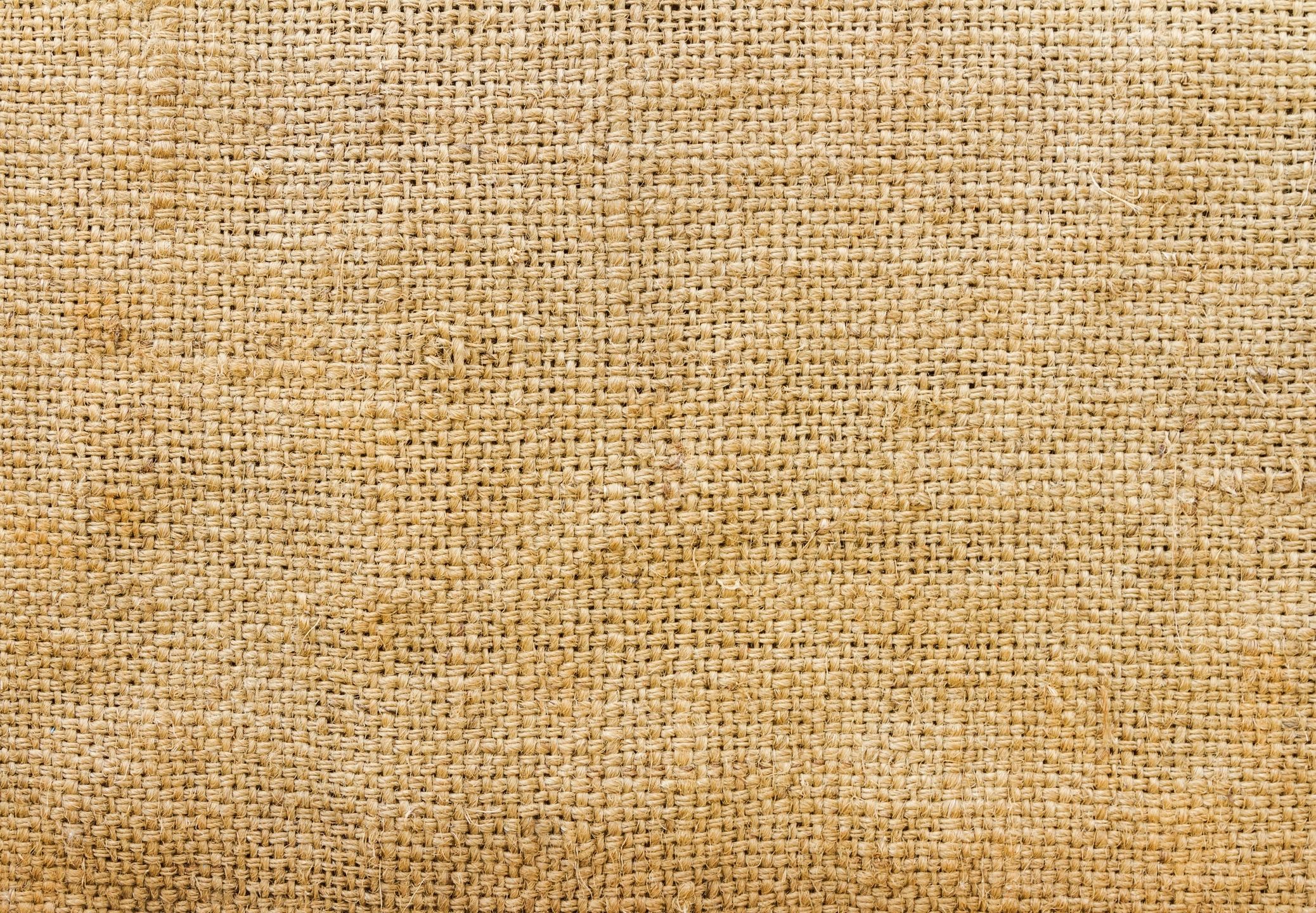
Cotton and linen come from different plants
Cotton fiber grows around the seed of the cotton plant. Linen is made from flax fiber. Both are plant-based cellulosic textile fibers, but their yarns and fabrics can have different textures, weights and performance.
Compare the actual fabric
Linen often has a distinctive textured hand and visible creasing. Cotton is used in a broad range of constructions, from lightweight woven cloth to knits and heavy canvas. Neither fiber always has one weave or one level of breathability.
Construction changes the result
Weave or knit structure affects drape and stretch.
Yarn size and fabric weight affect thickness and feel.
Finishes can change softness, appearance and care.
Blends can combine fibers with different dye responses.
Care follows the label
Do not assume all cotton or linen can use the same wash temperature or drying method. Finished garments can include linings, trims and treatments that limit care. Fiber origin alone also does not establish a claim about allergies or skin suitability.
Dyeing cotton and linen
Both may be candidates for a dye intended for cellulose, subject to product instructions and the item’s finish. Test a representative sample, account for shrinkage and complete the specified washing process. Sewing thread may be a different fiber and retain its original shade.See the Alliance for European Flax-Linen & Hemp for flax and linen background, and Jacquard’s dye guide for product compatibility.
Planning a color change?
Request a professional dyeing assessment with photos, fiber labels, the current shade and target color. For a suitable home project, our supplies guide includes product limits and Amazon affiliate disclosures.