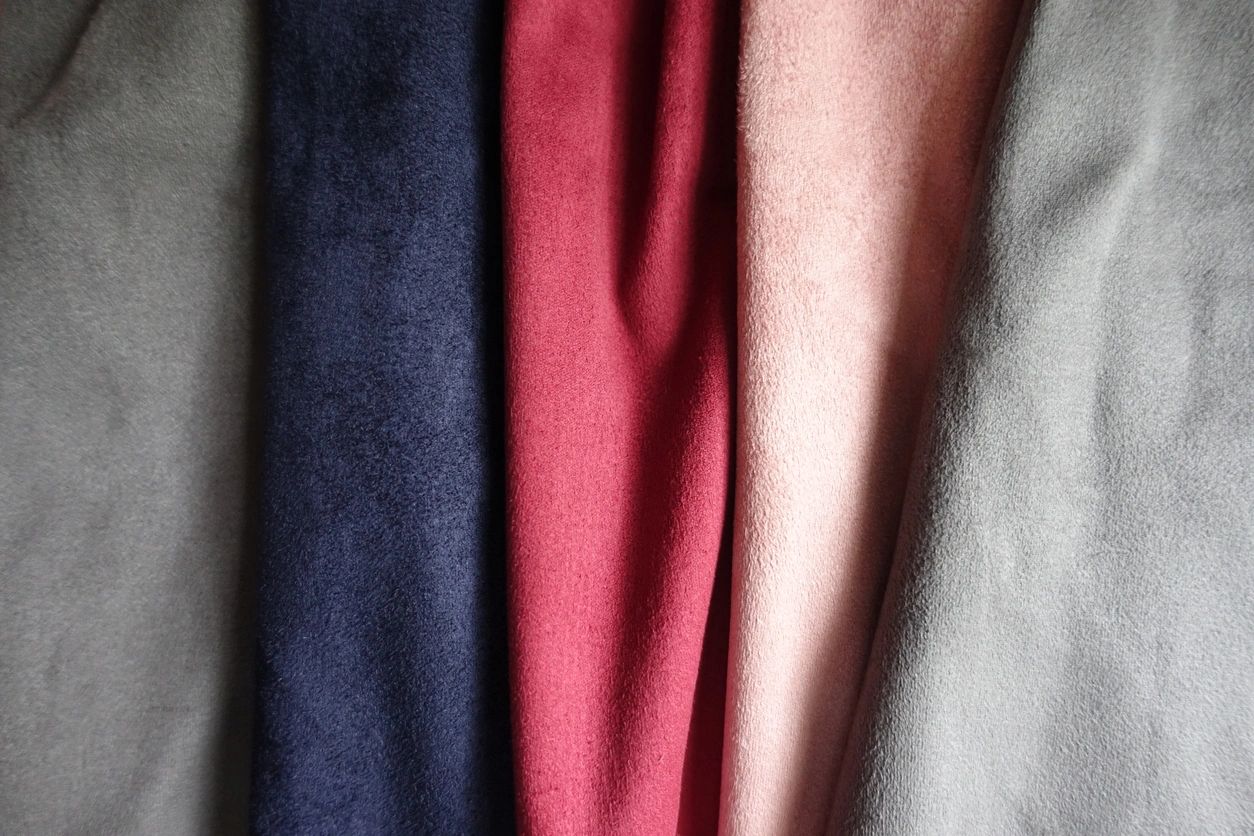
Natural fabrics can take color with a suitable dye process, but plant and animal fibers need different decisions. Fiber content is only the beginning: finishes, thread, construction and care limits affect a finished item’s suitability.
Plant fibers: cotton, linen and hemp
These are cellulose fibers. Select a product whose instructions include the particular material and intended method. Preparation and finishing affect results, so do not assume that a clean-looking garment is automatically ready for dyeing.
Animal fibers: silk and wool
Silk and wool are protein fibers. Their care requirements and response to heat or agitation differ from a typical cotton project. Choose product-specific instructions and consider specialist assessment for valuable scarves, knitwear or structured pieces.
Where rayon fits
Rayon is a manufactured cellulose fiber, not a natural fiber harvested in its finished form. Some cellulose-dye products include it, but delicate construction and care limits still matter. It is not automatically “better” than cotton for every project.
Compare products without universal rankings
A useful comparison asks which fiber is listed, what equipment is needed and whether the process suits the item. No brand or dye class is best for all garments. Refer to the Jacquard dye guide and the current instructions for the selected product.
Test the result you actually need
Evaluate a representative sample after the required rinse, wash and drying. Check color, texture, dimensions and transfer. For several items, confirm whether the same process can reasonably produce consistent results.
Learn about fabric dyeing, compare fabric dyeing services, or request project quotes with the complete labels.