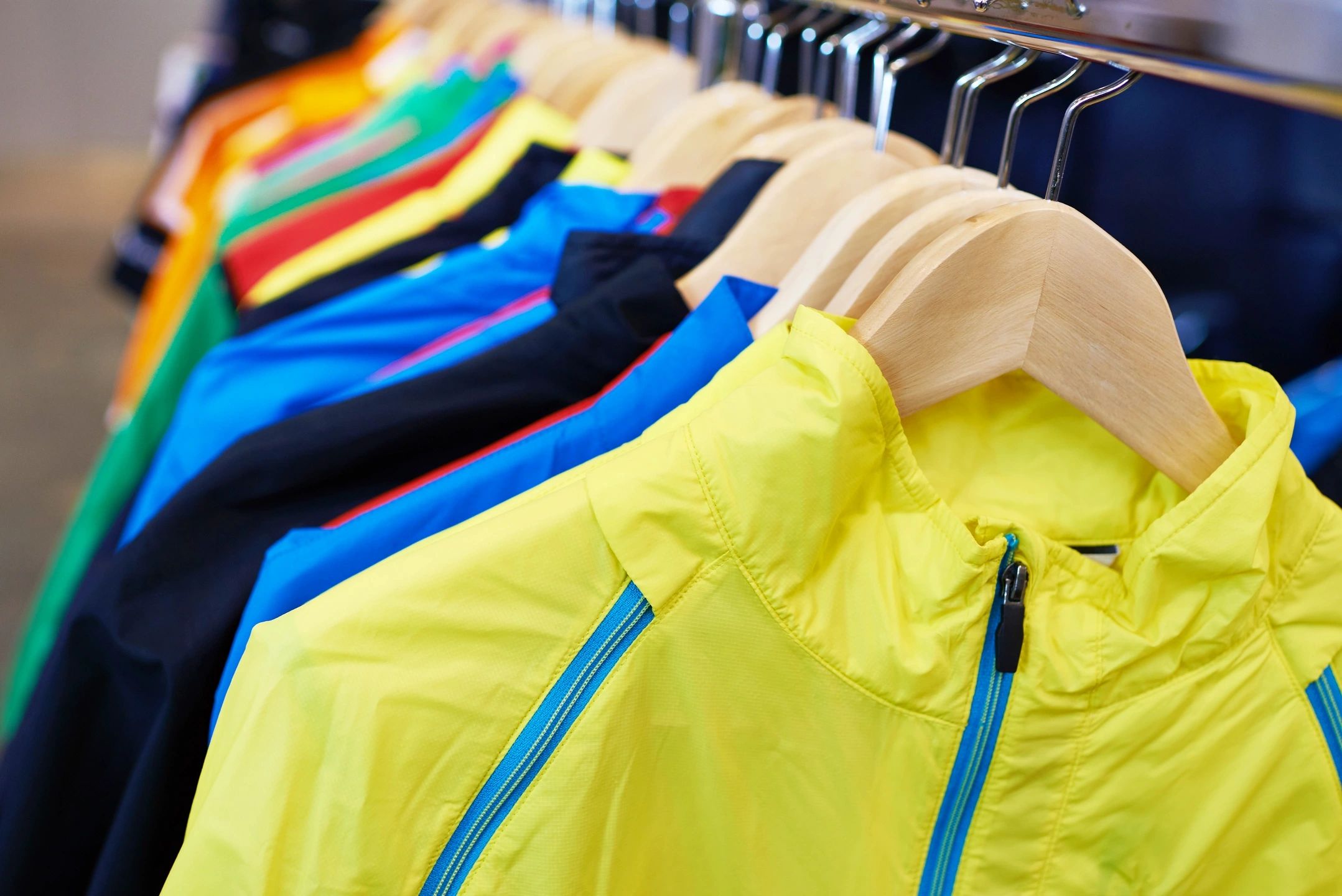
How a garment gets its color
Clothing color can involve several businesses and processing stages. The fiber, yarn, fabric or finished garment may be colored before it reaches the customer. The location of final assembly does not necessarily identify where its dye was manufactured or applied.
Separate the supply-chain questions
Where was the fiber or yarn made?
Where was the fabric constructed?
At which stage was color applied?
Who carried out dyeing, printing and finishing?
Where was the garment assembled?
Dyeing and printing have different roles
A solid shade and a printed pattern may involve different products and equipment. A finished item can contain components processed separately. Ask the supplier to explain the actual sequence when consistent shade or traceability matters.
What buyers can verify
Start with the garment label and product information, then ask for evidence about the relevant processing stage. Do not infer a dyeing facility’s practices solely from its country or assume a broad regional ranking explains an individual product.
For a new production order
Supply the fiber, construction, weight or width, quantity, shade reference and end use. Agree on a representative sample and quality requirements before full processing. Confirm which supplier is responsible for each stage.
For an existing garment
Earlier coatings, finishes and color affect what a new dyer can achieve. Disclose known treatments and provide all labels. If the history is unknown, ask about testing and limits rather than expecting a guaranteed color change.
Request a professional dyeing assessment with project details and photos.