How dyeing supports fashion design
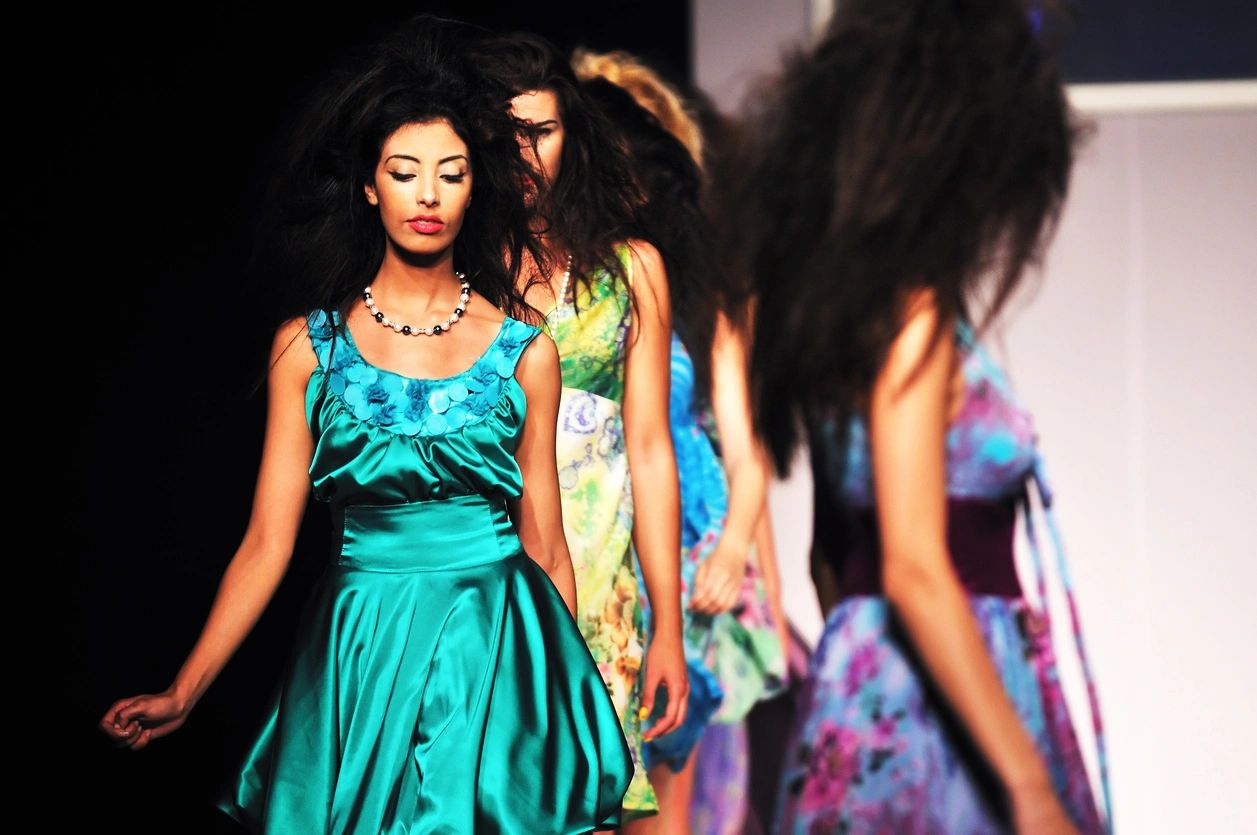
Color helps define a collection, coordinate separate pieces and give an existing garment a new direction. A designer can plan color at the yarn, fabric or garment stage, depending on the material and intended effect.
Choose a look and a feasible process together
Solid color, tie-dye and gradual color effects need different planning. The fiber blend, original color and construction determine what the provider can attempt. A photograph of a look is a useful reference, but it does not prove another garment can achieve the same result.
Use samples to communicate
Provide a physical color reference when possible.
Explain the lighting and end use in which the color will be viewed.
Agree on acceptable variation across fabrics and trims.
Approve a trial before committing a full production order.
Allow time for assessment, corrections and delivery.
Consider texture and construction
Sheen, fabric texture and different components can change how a shade appears. Stitching and lining may remain different. A dyeing method can also affect fit or finish, so assess the whole design rather than the color alone.
Refresh an existing garment thoughtfully
Cleaning, repair or alteration may help first. When a color change is suitable, ask about the original shade, target shade, fabric condition and care requirements. Dye adds color; it is not a universal route from a dark garment to a pale one.
Evaluate environmental claims separately
A visual technique or natural colorant does not automatically establish lower environmental impact. Ask about the actual process and evidence behind any resource-use claim.
Request dyeing quotes with your design reference, labels and quantity. For a suitable craft project, compare options in our supplies guide, which includes Amazon affiliate disclosures.