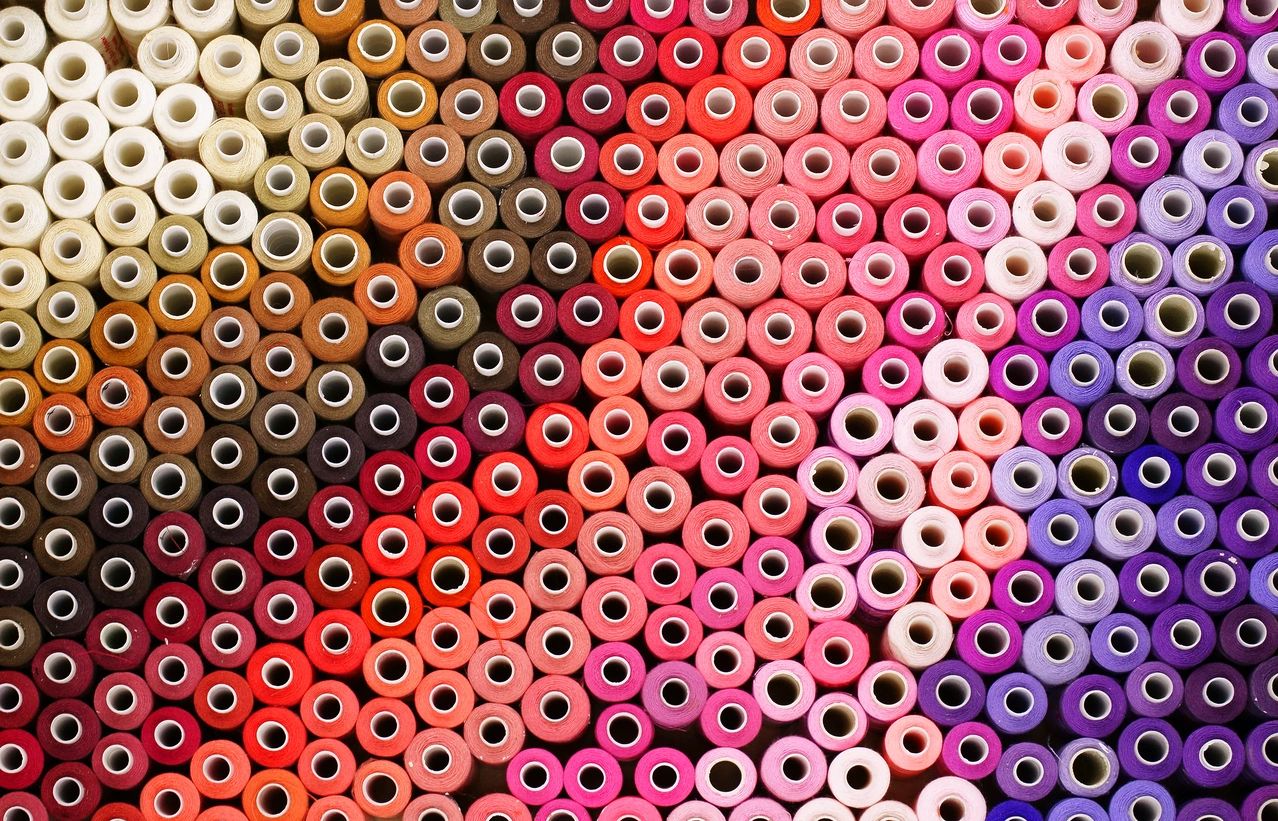
Yarn dyeing lets color become part of a textile before knitting or weaving. It can support stripes, checks and other planned effects, but it also introduces sampling, handling and stock-management decisions. The right choice depends on the fiber, construction and scale of the project.
Color planning comes earlier
A yarn-dyed project needs its colors chosen before fabric construction. Changing the palette later may leave unused yarn or require a new dye lot. Compare that with piece dyeing, where fabric is colored after it is made.
Consistency needs testing
A sample shade does not establish that every yarn package or later batch will match. Discuss the yarn specification, lot size, approved standard and intended knitting or weaving process with the provider. Keep enough suitable yarn for the project when a close match matters.
Fiber and handling limits
Cotton, wool and synthetic yarns need different product choices and processes. Heat, agitation or handling can change the yarn’s condition. At home, work from a complete instruction set for your exact yarn and dye instead of assuming any craft dye will work on every fiber.
Assess the finished result
Check the dried sample’s shade and feel, and assess the care performance relevant to the finished textile. Loose dye and staining are reasons to revisit the process before making a large item. Do not treat vinegar or another household additive as a universal fix.
Choose the production stage deliberately
The CottonWorks dyeing overview explains dyeing at different textile stages. Compare yarn dyeing providers and include fiber, yarn form, quantity, colors and intended use in a quote request.