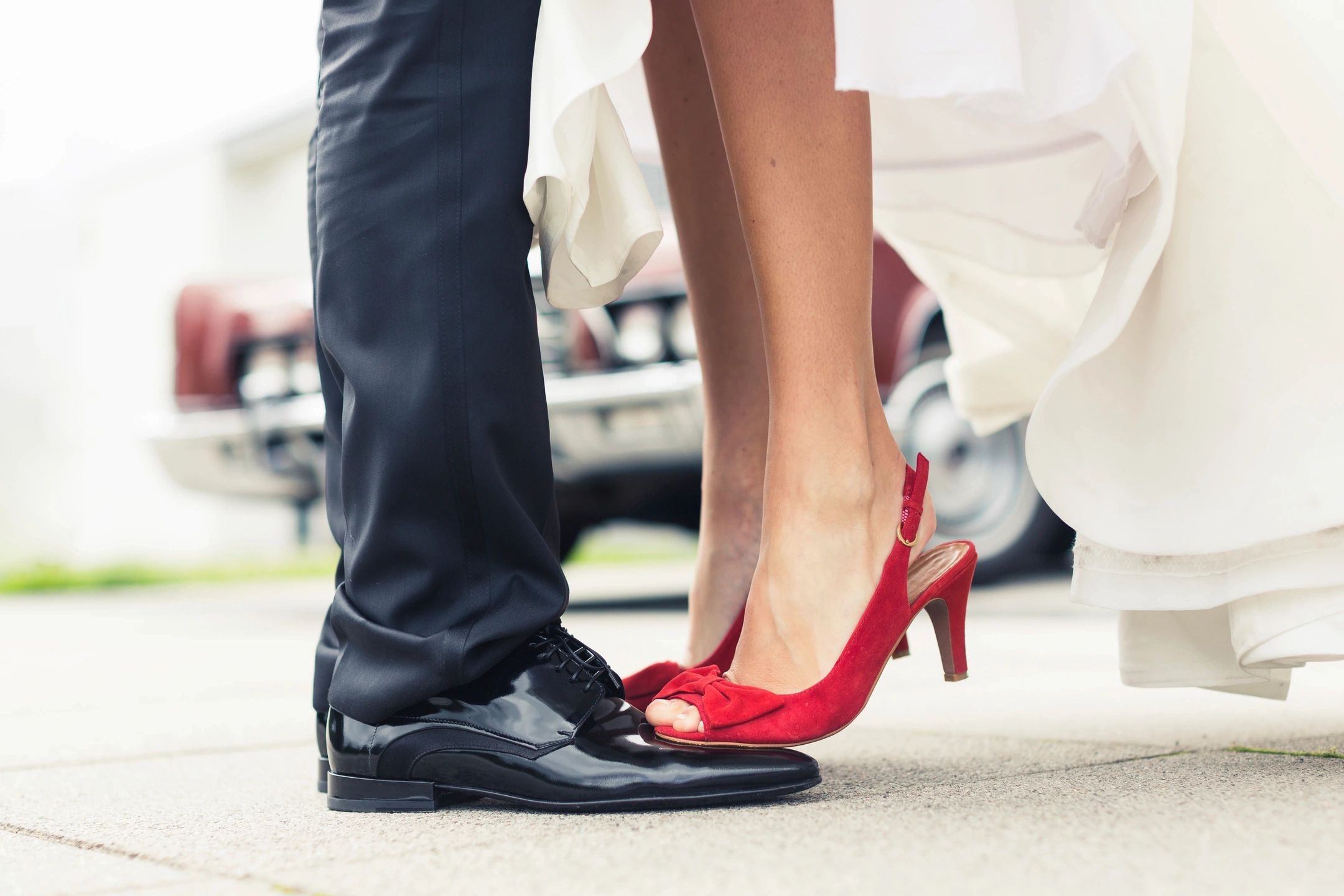
Can satin shoes be dyed?
Some satin shoes can be recolored, but satin describes the weave, not the fiber. Silk satin and polyester satin need different assessments. The shoe’s lining, glue, sole, finish and trims matter as well as the visible fabric.
Identify the fiber and whether the shoe is dyeable
Check the label or ask the shoe manufacturer for the upper’s composition and any dyeing instructions. Shoes sold as dyeable still have product-specific limits. If the fiber is unknown, do not select a dye merely because the fabric looks shiny.
Do not use one recipe for every satin
Acid dye is not a universal choice for both natural and synthetic satin. A suitable fabric dye also needs a suitable application method. A finished shoe may be unable to tolerate immersion, heat or rinsing even when a loose swatch of its fabric can be dyed.
Choose a process documented for the synthetic fiber and read its temperature, equipment and handling requirements before buying a color. The complete item must tolerate that method, including its lining, trims, coatings and bonded parts.
Agree on a color sample
For wedding or occasion shoes, provide a physical fabric swatch when possible. Screen colors are affected by display settings and lighting. Ask the provider to explain how sheen, the original color and different components can affect the result. Allow time for assessment, a sample and shipping before the event.
Questions for a specialist
Is this exact shoe and fiber suitable for the proposed process?
How will lining, stitching, soles and decorated areas be protected?
Can you provide a sample or describe likely shade variation?
What happens if stains or uneven wear remain visible?
What aftercare is required, including protection from water and color transfer?
Prepare an assessment request
Send photos of both shoes, material labels, any stains and the target shade. Mention prior waterproofing or cleaning treatments. Ask for the full price, turnaround and return-shipping arrangements.
Request professional dyeing quotes. For a separate, confirmed home-dyeing project, our supplies comparison guide explains product limits and discloses Amazon affiliate links.
Product guidance
Identify the shoe’s upper fiber, surface finish, adhesives and construction before considering a color change. Compatibility with a loose fabric swatch does not establish that the finished shoe can tolerate the same treatment. Ask a footwear specialist about suitability and color matching.
Plan a wedding shoe matching order
Include the shoe model, documented material, original shade, upper and heel components to recolor, physical outfit swatch and event date. Ask whether trims remain their original color and how references or unsuitable shoes are returned. Decide whether a coordinating shade is acceptable before ordering.
Worn shoes and outdoor events
Disclose scuffs, previous protective treatments and repairs, with photos of both shoes. Explain expected rain, grass and wear duration. Ask about wet-weather limits, rubbing transfer, permitted protection and aftercare. Acceptance conditions for new dyeable shoes do not establish suitability for a worn pair.
Include shipping and a final fit check
Confirm turnaround from receipt and shipping both ways, and leave time to compare the dry shoes with the outfit and check fit. Ask how a rejected item is returned. A ready-made coordinating pair may be more useful for a short deadline.
See Cobblers Direct’s wedding shoe service for one provider’s process; confirm your actual shoes and current terms. Browse US shoe repair providers or use the project planning tools.