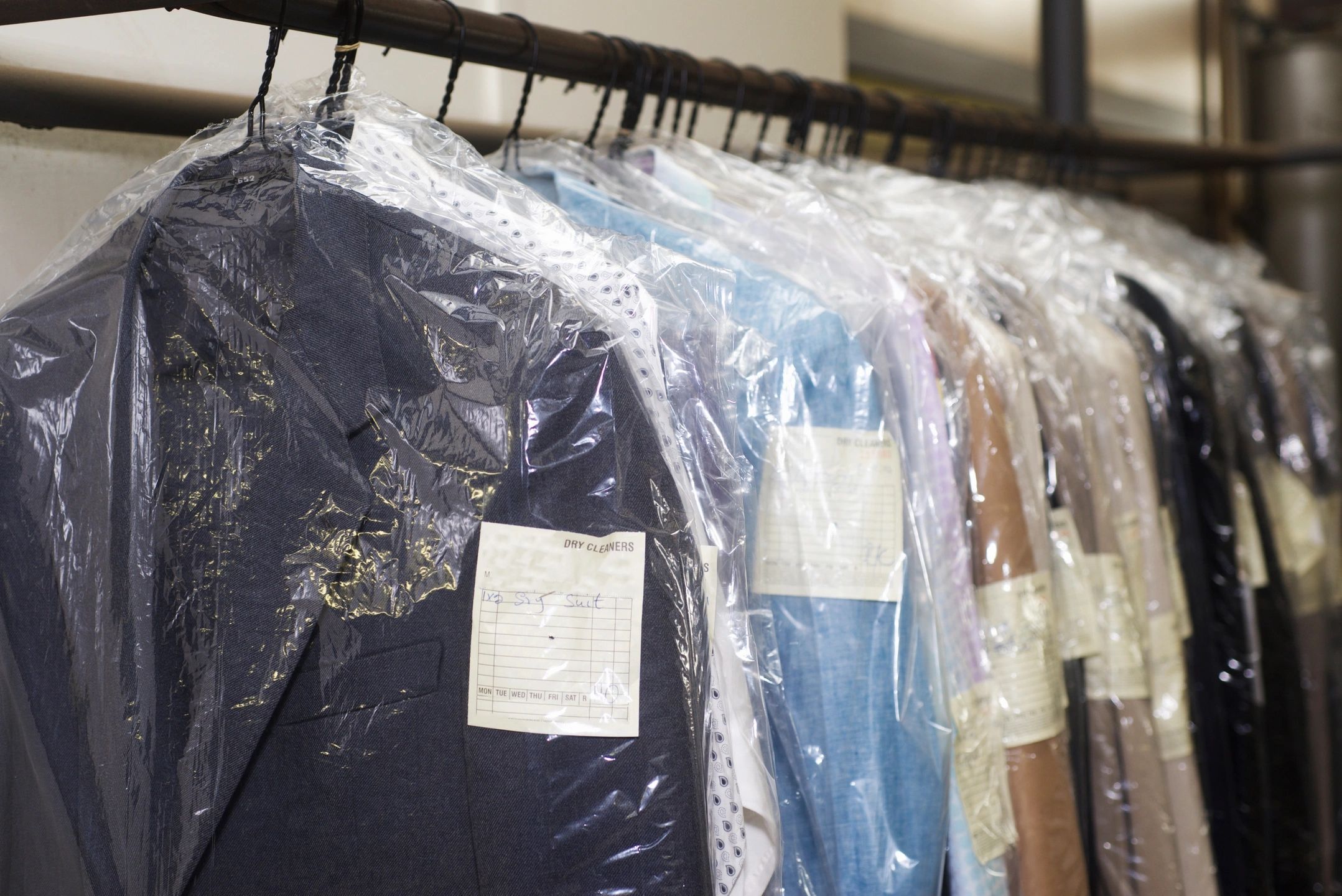
Refreshing is not the same as dry cleaning
Home garment-refresh products may reduce odors or wrinkles for compatible items. They should not be described as equivalent to professional solvent cleaning or as a universal stain-removal method.
Check both sets of instructions
Read the garment’s care label and the exact product directions. Check excluded fabrics, trims, stains and appliance requirements. Do not borrow a heat setting or timing from another kit.
Do not override “dry clean only”
A vinegar-and-water wash is still a wet treatment. It is not dry cleaning, and it may affect color, shrinkage, structure or finishes. A “dry clean only” label is a reason to consult the maker or a professional cleaner, not permission to try that recipe.
Steam also introduces moisture
Use a steamer only where the garment and device instructions allow. Steam can change some fabrics and trims; it is not cleaning without water.
When professional help makes sense
Structured, lined or decorated garments.
Valuable pieces with uncertain composition.
Stubborn stains or previous treatment damage.
Items whose labels exclude home methods.
Tell the cleaner what caused the stain and what has already been applied. Avoid experimenting with household solvents or improvised dryer treatments.
Before changing color
Cleaning residues and stains can affect dye uptake. Ask for an assessment before dyeing a difficult garment.
Planning a color change?
Request a professional dyeing assessment with photos, fiber labels, the current shade and target color. For a suitable home project, our supplies guide includes product limits and Amazon affiliate disclosures.